Witnesses of the Resurrection
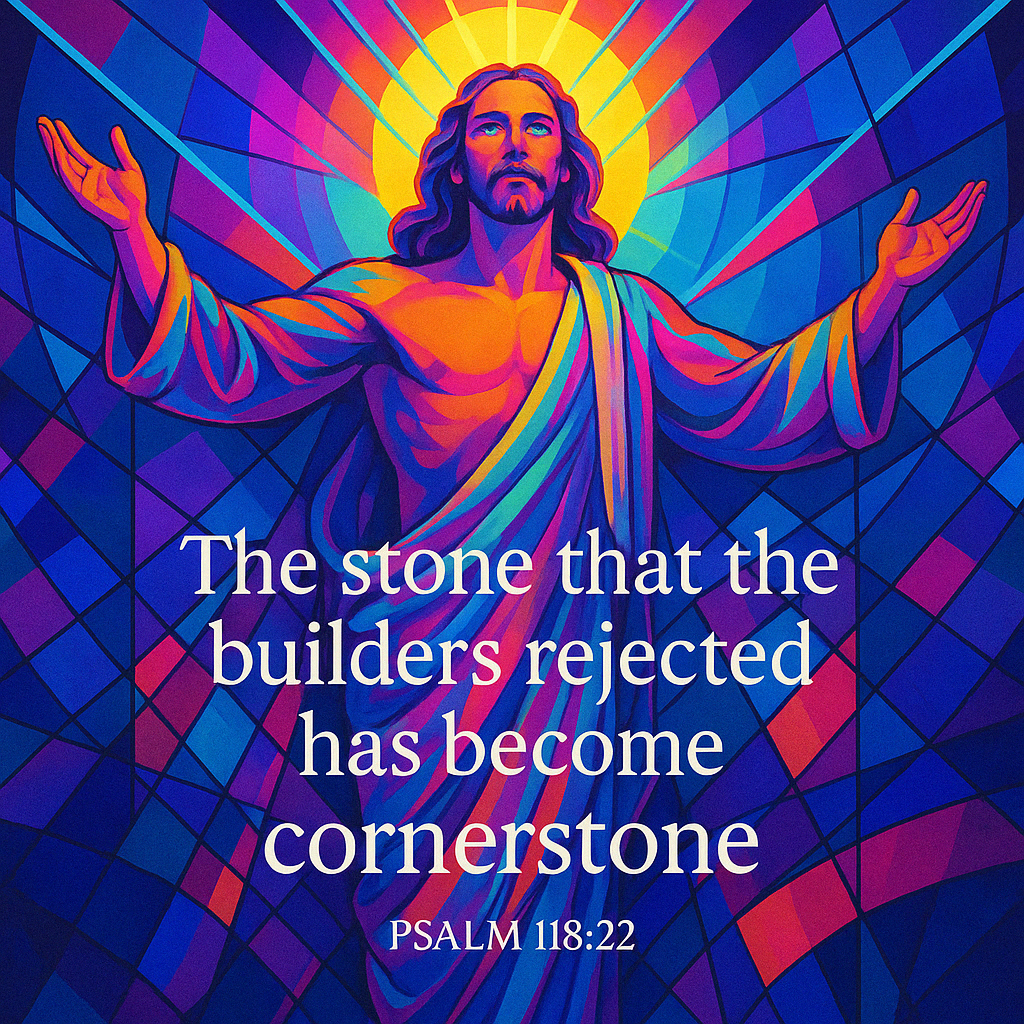
Have you ever felt lost in darkness, uncertain if joy would ever return? Today’s liturgy draws us into the heart of the Christian faith—Christ’s Resurrection—transforming despair into hope, rejection into redemption, and death into glorious new life. From Peter’s courageous proclamation in Acts of the Apostles that Jesus, once crucified, now lives to offer mercy and forgiveness universally, to the jubilant Psalm declaring, “The stone the builders rejected has become the cornerstone”, these readings invite us to encounter the living Christ who restores what was broken and lost.
As we explore further, St. Paul’s words in Colossians remind us that through our baptism, we have been mystically united with Christ’s death and resurrection. Paul urges us, “Think of what is above, not of what is on earth”, inviting a radical reorientation of our hearts and minds toward heavenly realities. Historically, this letter resonated profoundly with early Christians navigating life amid persecution and uncertainty. Paul’s message offered not mere consolation, but powerful encouragement that their struggles had eternal significance.
Finally, in today’s Gospel from John, we walk with Mary Magdalene, Peter, and the beloved disciple toward the empty tomb. Initially confused, yet soon illuminated by faith, these first witnesses remind us that recognizing Christ’s risen presence often begins in uncertainty. Their journey from fear and confusion to confident belief mirrors our own spiritual journeys, encouraging us to remain steadfast, knowing that Christ has indeed risen. How does the truth of the Resurrection renew your hope today?
First Reading – Acts 10:34, 37-43
Witnesses of the Risen Christ: Embracing God’s Universal Mercy
Today’s first reading comes from the Acts of the Apostles, authored by St. Luke around 80-90 A.D. Acts details the formation of the early Church and the bold witness of the apostles after Christ’s Ascension. At this pivotal moment in Chapter 10, Peter addresses Cornelius, a Roman centurion. This scene marks a dramatic expansion of Christianity beyond Jewish boundaries, underscoring the Church’s universal mission. Peter’s speech emphasizes the fundamental Christian proclamation—the Resurrection of Christ—aligning seamlessly with today’s central theme: the Resurrection as the cornerstone of hope and salvation.
Acts 10:34, 37-43
New American Bible (Revised Edition)
34 Then Peter proceeded to speak and said, “In truth, I see that God shows no partiality.
37 what has happened all over Judea, beginning in Galilee after the baptism that John preached, 38 how God anointed Jesus of Nazareth with the holy Spirit and power. He went about doing good and healing all those oppressed by the devil, for God was with him. 39 We are witnesses of all that he did both in the country of the Jews and [in] Jerusalem. They put him to death by hanging him on a tree. 40 This man God raised [on] the third day and granted that he be visible, 41 not to all the people, but to us, the witnesses chosen by God in advance, who ate and drank with him after he rose from the dead. 42 He commissioned us to preach to the people and testify that he is the one appointed by God as judge of the living and the dead. 43 To him all the prophets bear witness, that everyone who believes in him will receive forgiveness of sins through his name.”
Detailed Exegesis
Verse 34 – “Then Peter proceeded to speak and said, ‘In truth, I see that God shows no partiality.’”
Peter’s opening remark announces a groundbreaking revelation: God’s love extends equally to Jews and Gentiles. Historically, Jews maintained clear boundaries separating them from Gentiles, but here Peter, guided by the Holy Spirit, acknowledges that salvation through Christ is universally accessible, regardless of heritage or status.
Verses 37-38 – “what has happened all over Judea, beginning in Galilee after the baptism that John preached, how God anointed Jesus of Nazareth with the holy Spirit and power. He went about doing good and healing all those oppressed by the devil, for God was with him.”
Peter summarizes Jesus’ ministry, highlighting His baptism and anointing, marking His divine mission. This emphasizes that Christ’s actions were not mere human endeavors but a divine mission of liberation, healing, and deliverance—direct signs of God’s active presence in Jesus.
Verse 39 – “We are witnesses of all that he did both in the country of the Jews and [in] Jerusalem. They put him to death by hanging him on a tree.”
Peter explicitly states his role as a firsthand witness to Christ’s life, ministry, and death. The phrase “hanging him on a tree” connects Christ’s crucifixion to Deuteronomy 21:23, emphasizing the scandal and shame of crucifixion, which Christ transformed into redemption.
Verses 40-41 – “This man God raised [on] the third day and granted that he be visible, not to all the people, but to us, the witnesses chosen by God in advance, who ate and drank with him after he rose from the dead.”
The resurrection is proclaimed boldly. Peter emphasizes their privileged witness, underscoring its authenticity by mentioning that they ate and drank with the risen Christ. This intimate detail demonstrates Christ’s bodily resurrection—not symbolic, but a tangible reality and cornerstone of Christian faith.
Verse 42 – “He commissioned us to preach to the people and testify that he is the one appointed by God as judge of the living and the dead.”
Here, Peter asserts the apostolic commission directly from the risen Christ Himself. Christ’s role as divine Judge highlights His supreme authority, emphasizing the critical importance of faith in Him as the pathway to eternal life.
Verse 43 – “To him all the prophets bear witness, that everyone who believes in him will receive forgiveness of sins through his name.”
Peter connects Christ explicitly to Old Testament prophecy, affirming continuity with Jewish tradition while proclaiming a new universal truth—faith in Jesus Christ brings the forgiveness of sins to everyone, fulfilling God’s longstanding promise of salvation.
Teachings: Christ’s Resurrection and Universal Salvation
The Catechism beautifully articulates the significance of this reading, noting: “Belief in the Resurrection of the dead has been an essential element of the Christian faith from its beginnings…The confidence of Christians is the resurrection of the dead; believing this we live” (CCC 991). Indeed, Peter’s speech exemplifies this essential belief, anchoring our hope in Christ’s victory over death and His universal offer of salvation. Additionally, the Church emphasizes that through baptism, each Christian shares in Christ’s death and resurrection, entering a new life rooted in divine grace.
St. Augustine profoundly captures the universality of salvation, saying: “The Church’s mission is to show forth the universal design of God’s love, which wants all men to be saved and to come to the knowledge of the truth” (CCC 851). Peter’s recognition that God shows no partiality directly echoes this teaching, calling us to embrace a genuinely universal vision of humanity, united through Christ’s redeeming sacrifice. This powerful proclamation marks a historical shift from the restricted perspective of God’s chosen people to a more expansive, inclusive vision of divine mercy.
Historically, Peter’s speech to Cornelius symbolizes a critical turning point for Christianity, transitioning from a movement within Judaism to a universal faith embracing all peoples and nations. The early Church’s courageous missionary outreach, as documented throughout the Acts of the Apostles, is rooted in precisely this belief—Christ’s resurrection transformed human history, making salvation available to everyone. This pivotal moment continues to inspire the Church today, reminding us of our calling to be joyful witnesses to the universal mercy and saving power of Christ.
Reflection: Living as Bold Witnesses of Resurrection
Today’s first reading invites us into a deeper reflection on our calling as witnesses to Christ’s resurrection. Just as Peter courageously proclaimed the risen Christ to an unfamiliar and perhaps skeptical audience, we too are called to boldly embody and share the good news in our daily lives. Are you willing to step beyond your comfort zone to witness Christ’s resurrection and His saving love to others? Each day presents opportunities—perhaps a difficult conversation, acts of charity, or simply choosing hope over despair—to manifest Christ’s resurrected life through our own.
We can practically embrace Peter’s witness by striving daily to break down barriers—racial, social, economic, or ideological—that prevent us from recognizing the dignity and salvation offered universally through Christ. When we genuinely accept that God “shows no partiality,” our actions reflect His mercy, compassion, and universal love. Where in your life do you sense God calling you to break down barriers and embody His impartial love and mercy more fully?
May our reflection today renew our hearts, embolden our faith, and lead us to confidently proclaim, through word and action, that Christ is risen indeed, bringing healing, unity, and salvation to every corner of our broken world.
Responsorial Psalm – Psalm 118:1-2, 16-17, 22-23
Celebrating God’s Mercy: From Rejection to Cornerstone
Today’s Responsorial Psalm, Psalm 118, known as a hymn of thanksgiving, is traditionally associated with major Jewish feasts, especially Passover. Psalm 118 historically served as a festive liturgical chant, expressing gratitude to God for deliverance and salvation. Its joyful tone reflects Israel’s recognition of God’s enduring mercy and His decisive intervention in moments of distress. This psalm is particularly meaningful today as it prophetically references Christ’s resurrection, underlining our theme: the transformative power of the Resurrection, turning rejection and suffering into divine triumph and foundational hope.
Psalm 118:1-2, 16-17, 22-23
New American Bible (Revised Edition)
Hymn of Thanksgiving
1 Give thanks to the Lord, for he is good,
his mercy endures forever.
2 Let Israel say:
his mercy endures forever.
16 the Lord’s right hand is raised;
the Lord’s right hand works valiantly.”
17 I shall not die but live
and declare the deeds of the Lord.
22 The stone the builders rejected
has become the cornerstone.
23 By the Lord has this been done;
it is wonderful in our eyes.
Detailed Exegesis
Verse 1 – “Give thanks to the Lord, for he is good, his mercy endures forever.”
This opening verse sets a tone of gratefulness, establishing God’s mercy as eternal. The goodness and mercy of God become foundational truths for believers, affirming God’s unchanging nature and steadfast love.
Verse 2 – “Let Israel say: his mercy endures forever.”
This verse calls for communal acknowledgment of God’s mercy, inviting all of Israel—and by extension, us today—to celebrate God’s unwavering compassion. It reflects the ancient liturgical practice where worshippers responded collectively, reinforcing a communal experience of gratitude and unity.
Verse 16 – “the Lord’s right hand is raised; the Lord’s right hand works valiantly.”
Symbolically, “the Lord’s right hand” represents God’s power and strength. This verse declares God’s victorious and powerful intervention on behalf of His people. For Christians, this vividly recalls the victorious power of Christ’s Resurrection, symbolizing divine triumph over sin and death.
Verse 17 – “I shall not die but live and declare the deeds of the Lord.”
Here, the psalmist declares his confidence in God’s saving power, affirming life even in the face of trials or threats. Prophetically, it echoes Christ’s Resurrection—conquering death and giving believers assurance of eternal life. This confidence calls us to a life marked by proclamation and witness to God’s saving acts.
Verse 22 – “The stone the builders rejected has become the cornerstone.”
This verse prophetically points directly to Christ, often quoted by Jesus Himself (Matthew 21:42). The “stone rejected” symbolizes Jesus, rejected and crucified by the religious authorities but raised by God to become the cornerstone, the foundational truth of the Church and our faith.
Verse 23 – “By the Lord has this been done; it is wonderful in our eyes.”
The psalmist expresses awe and wonder at God’s mighty deeds, highlighting that the cornerstone’s transformation is entirely God’s miraculous work. This verse invites us to marvel at God’s action in salvation history, especially in the Resurrection, encouraging awe, humility, and gratitude.
Teachings: Recognizing Christ, Our Cornerstone
The Catechism highlights Psalm 118’s profound importance in understanding Christ’s role in salvation history: “Jesus is ‘the stone which the builders rejected’ but which was made into the cornerstone. It is in him that we receive our salvation” (CCC 756). The Church views Christ as the fulfillment of this prophecy—His rejection and resurrection become the very foundation upon which the Church stands, offering humanity hope and eternal life.
St. Augustine beautifully elaborates on this imagery, writing: “Christ is called a stone for strength and firmness; and a corner-stone because in him two walls coming from different directions meet together, meaning thereby that the Jews and Gentiles are reconciled through him” (St. Augustine, Commentary on Psalm 118). Augustine’s insight connects today’s psalm to the universal call of salvation, aligning perfectly with Peter’s proclamation in Acts, emphasizing God’s impartial love.
Historically, Psalm 118 has been deeply woven into liturgical and devotional practices of the Church. Traditionally sung during Easter liturgies, it reinforces believers’ understanding of Christ’s resurrection as the ultimate demonstration of God’s eternal mercy. Psalm 118 thus continues to unite Christians in celebrating Christ’s triumph over death, reminding us that through Him, we too are called to become living stones in God’s spiritual house, bearing witness through our lives to His mercy and transformative love.
Reflection: Living as Testimonies of Mercy
Today’s Psalm challenges us to cultivate grateful hearts, mindful always of God’s mercy in our daily lives. Just as the psalmist joyfully proclaims God’s deliverance, we are invited daily to recognize and acknowledge His merciful presence even amid life’s challenges. How often do you pause to consciously thank God for His mercy and goodness in your life?
Living out this psalm means embracing Christ as our cornerstone—allowing Him to be the firm foundation on which we build our relationships, careers, and spiritual lives. When we face rejection or disappointment, we can confidently trust that God, who transformed Christ’s rejection into salvation, can likewise transform our trials into opportunities for growth and testimony. Can you recall moments when rejection or struggle led to unexpected blessings in your spiritual journey?
Today, make an intentional effort to express your gratitude openly to God, perhaps by setting aside a moment to pray Psalm 118 personally, recognizing God’s powerful and merciful hand at work in your life. Let this gratitude transform how you engage with others, becoming a tangible witness to the enduring mercy and resurrection power of Christ.
Second Reading – Colossians 3:1-4
Living the Resurrection: Setting Our Hearts Above
Today’s second reading is drawn from Paul’s Letter to the Colossians, written while the Apostle Paul was imprisoned, around 60-62 A.D. The community in Colossae faced challenges from various philosophical teachings that threatened to dilute the purity of Christian doctrine. Paul responded by emphasizing Christ’s divinity and supremacy, encouraging believers to root their identity firmly in Christ’s death and resurrection. This passage invites us to align our lives entirely with the resurrected Christ, directly supporting today’s central theme of Resurrection—living in hope, transformed by the risen Lord.
Colossians 3:1-4
New American Bible (Revised Edition)
Mystical Death and Resurrection. 1 If then you were raised with Christ, seek what is above, where Christ is seated at the right hand of God. 2 Think of what is above, not of what is on earth. 3 For you have died, and your life is hidden with Christ in God. 4 When Christ your life appears, then you too will appear with him in glory.
Detailed Exegesis
Verse 1 – “If then you were raised with Christ, seek what is above, where Christ is seated at the right hand of God.”
Paul begins by reminding believers of their baptismal identity: through baptism, Christians spiritually die and rise with Christ. The instruction to “seek what is above” calls for a radical shift in focus—away from worldly attachments toward the spiritual reality of Christ’s divine reign. “Seated at the right hand of God” denotes Christ’s supreme authority and eternal glory, urging believers to set their gaze and priorities on divine realities.
Verse 2 – “Think of what is above, not of what is on earth.”
Here, Paul emphasizes a deliberate spiritual mindset. Rather than worldly anxieties or fleeting pleasures, Christians are encouraged to direct their thoughts toward eternal truths and heavenly wisdom. This verse challenges believers to cultivate interior lives shaped by divine revelation rather than temporal distractions.
Verse 3 – “For you have died, and your life is hidden with Christ in God.”
Paul profoundly expresses the mystical reality of Christian life. To be “hidden with Christ” signifies an intimate union with Him, a relationship secure and safeguarded within God’s own being. This hiddenness implies both protection and mystery, suggesting that our true identity and ultimate destiny, though not fully visible now, are already secure and eternal in Christ.
Verse 4 – “When Christ your life appears, then you too will appear with him in glory.”
This concluding verse looks forward eschatologically to Christ’s return. It reassures believers that our lives, though presently hidden in Christ, will one day be gloriously revealed alongside Him. It affirms the promise of resurrection and eternal life, giving Christians enduring hope and motivating perseverance in faithfulness.
Teachings: United with Christ’s Resurrection
The Catechism beautifully expands upon Paul’s message, emphasizing the transformative power of baptism: “Through Baptism the Christian is sacramentally assimilated to Jesus…He must enter into this mystery of humble self-abasement and repentance…in order to walk in a newness of life” (CCC 537). Baptism isn’t merely symbolic but truly initiates us into Christ’s death and resurrection, profoundly reshaping our entire existence and guiding us toward heavenly realities.
St. John Chrysostom eloquently illustrates Paul’s exhortation, teaching us: “If then you are risen with Christ, show it by seeking heavenly things. For he who seeks what is above has his heart set on spiritual things, desires divine objects, loves what is immortal” (St. John Chrysostom, Homily on Colossians). Chrysostom emphasizes the importance of a spiritually intentional life, urging believers to demonstrate their resurrection identity through practical choices oriented toward holiness and virtue.
Historically, Paul’s teachings in Colossians greatly impacted early Christian communities, helping them resist syncretism and uphold doctrinal purity. Paul’s insistence on Christ’s centrality as both fully human and divine formed a critical foundation for early Church Christology. Today, this passage continues to inspire the faithful to remain spiritually focused amid worldly distractions, reminding us of our profound dignity and ultimate destiny in Christ’s glorious resurrection.
Reflection: Aligning Our Lives with Christ’s Glory
This passage challenges us deeply in our everyday spirituality, prompting us to reconsider where we invest our emotional energy, our time, and our attention. Paul invites us not simply to ponder abstract theological truths but to embody Christ’s resurrection practically, shaping daily decisions, conversations, and habits. In what areas of your life do worldly concerns overshadow your spiritual goals, distracting you from fully embracing your identity in Christ?
Practically applying this passage involves consciously setting daily reminders to redirect our thoughts toward heavenly realities. Consider beginning each day with prayerful meditation on your baptismal promises, recalling your union with Christ’s death and resurrection. Throughout the day, especially during stress or temptation, intentionally pause to recall that your true life is “hidden with Christ in God.” What steps can you take today to cultivate a mindset oriented toward eternal values rather than temporary concerns?
As you journey through life’s challenges, let Paul’s profound message anchor your heart firmly in the risen Christ. Trust in the promise that, though your life’s full glory remains hidden now, it is securely held by Christ Himself. Let this assurance shape your daily choices, encouraging you to persevere joyfully and confidently toward the day when you, too, will share fully in Christ’s glory.
Holy Gospel – John 20:1-9
From Darkness to Belief: The Empty Tomb and the Dawn of Faith
Today’s Gospel from John places us at the heart of the Resurrection narrative, in the quiet, mysterious hours of early morning. The Gospel of John, written around 90-100 A.D., is rich in theological symbolism and intimate spiritual insight. This passage invites us into the personal and communal experience of discovering that Jesus has risen from the dead. Historically, this Gospel was written to a Christian community grappling with exclusion from the synagogue and growing persecution. The narrative of the empty tomb, therefore, is not just a report—it is a proclamation of a radical, world-changing truth: that death is no longer the final word. This fits beautifully with today’s central theme—living in the hope and glory of Christ’s Resurrection, even when we do not fully understand.
John 20:1-9
New American Bible (Revised Edition)
The Empty Tomb. 1 On the first day of the week, Mary of Magdala came to the tomb early in the morning, while it was still dark, and saw the stone removed from the tomb. 2 So she ran and went to Simon Peter and to the other disciple whom Jesus loved, and told them, “They have taken the Lord from the tomb, and we don’t know where they put him.” 3 So Peter and the other disciple went out and came to the tomb. 4 They both ran, but the other disciple ran faster than Peter and arrived at the tomb first; 5 he bent down and saw the burial cloths there, but did not go in. 6 When Simon Peter arrived after him, he went into the tomb and saw the burial cloths there, 7 and the cloth that had covered his head, not with the burial cloths but rolled up in a separate place. 8 Then the other disciple also went in, the one who had arrived at the tomb first, and he saw and believed. 9 For they did not yet understand the scripture that he had to rise from the dead.
Detailed Exegesis
Verse 1 – “On the first day of the week, Mary of Magdala came to the tomb early in the morning, while it was still dark, and saw the stone removed from the tomb.”
The “first day of the week” echoes the first day of creation in Genesis, symbolizing a new beginning—a re-creation through the Resurrection. Mary Magdalene’s journey in the dark represents both literal and spiritual darkness. She goes to mourn, not yet aware that the dawn of eternal life has broken. The stone being rolled away signals a divine act, not merely an event of nature.
Verse 2 – “So she ran and went to Simon Peter and to the other disciple whom Jesus loved, and told them, ‘They have taken the Lord from the tomb, and we don’t know where they put him.’”
Mary’s reaction reflects shock, fear, and confusion. The empty tomb, for her, initially signals desecration, not victory. Her instinct to run to Peter and John underscores the early Christian understanding of apostolic authority and community discernment in moments of mystery and crisis.
Verse 3 – “So Peter and the other disciple went out and came to the tomb.”
The disciples respond immediately. Their movement toward the tomb represents the journey of faith—seeking to understand the mystery of Christ’s words and promises.
Verse 4 – “They both ran, but the other disciple ran faster than Peter and arrived at the tomb first.”
This detail has been interpreted symbolically throughout Church tradition. The beloved disciple’s faster arrival may represent a heart more attuned to love, while Peter, though slower, retains his role as leader. It reflects how different temperaments and roles coexist in the Church.
Verse 5 – “He bent down and saw the burial cloths there, but did not go in.”
The beloved disciple, respectful of Peter’s leadership, refrains from entering first. This act demonstrates humility and reverence, even in the face of great personal faith and insight.
Verse 6 – “When Simon Peter arrived after him, he went into the tomb and saw the burial cloths there.”
Peter enters boldly, consistent with his role as the first among equals. His entry into the tomb reveals that the body has not been stolen hastily, as the cloths remain, indicating order, not chaos.
Verse 7 – “and the cloth that had covered his head, not with the burial cloths but rolled up in a separate place.”
This striking detail offers subtle proof of the Resurrection. If the body had been taken, thieves would not have left the cloths so carefully arranged. The separation of the head covering may symbolize the Resurrection as a deliberate and divine act.
Verse 8 – “Then the other disciple also went in, the one who had arrived at the tomb first, and he saw and believed.”
The beloved disciple’s faith is awakened not by seeing the risen Christ, but by seeing the signs—empty cloths, the absence of disorder. His belief is born from love and spiritual insight, even in the absence of complete understanding.
Verse 9 – “For they did not yet understand the scripture that he had to rise from the dead.”
This verse underscores that their faith is still growing. Despite witnessing signs, full comprehension of the Resurrection’s meaning had not yet dawned. Faith often begins before full understanding, and grows as we encounter the living Christ more deeply.
Teachings: Believing Before Seeing
The Catechism affirms the reality and centrality of the Resurrection: “The Resurrection of Jesus is the crowning truth of our faith in Christ, a faith believed and lived as the central truth by the first Christian community” (CCC 638). The empty tomb is not merely a symbol; it is a historical sign, validated by apostolic witness and upheld by faith. In Mary, Peter, and John, we see the Church grappling with the mystery, encountering the risen Lord not all at once, but in stages.
St. Gregory the Great reflects on the humility and love of the beloved disciple, writing: “It is love which gave him wings and made him run faster… The one who loved more, understood sooner” (Homilies on the Gospels). Love sharpens spiritual vision. This Gospel challenges us to cultivate not just intellect, but a heart afire with love for Christ—only then can we recognize His risen presence in subtle signs and moments.
Pope Benedict XVI emphasized that the Resurrection is not the end of the story, but its radiant beginning: “Faith in the Resurrection opens men’s eyes to the meaning of creation and history. The Resurrection opens a new dimension of human existence” (Jesus of Nazareth, Part Two). The encounter with the empty tomb calls each of us to step into a new way of seeing, thinking, and living—rooted not in fear or confusion, but in the unshakable hope of Christ risen from the dead.
Reflection: When Faith Begins in the Dark
This Gospel beautifully reflects the path many of us walk in our spiritual lives. Like Mary, we often come to the tomb in the dark—grieving, confused, unsure of where to turn. Yet God is already at work, rolling away the stone. Where in your life do you feel surrounded by spiritual darkness? Are you open to the possibility that Christ is already present, waiting for you to recognize the signs?
Faith does not always begin with answers—it often begins with longing. The beloved disciple believed without seeing Jesus, responding to the quiet testimony of folded cloths. In the same way, we are called to cultivate spiritual attentiveness, noticing where God is quietly moving in our lives. What “folded cloths” might be present in your story—small signs inviting you to believe before fully understanding?
Today, let us run to the tomb like Peter and John. Let us peer into mystery with hearts open to love, even if we do not yet fully understand. May we believe in the silence, trust in the signs, and live with Easter joy, proclaiming with our lives that Christ is risen indeed. Alleluia!
Engage with Us!
We’d love to hear how today’s Scriptures spoke to your heart. Share your thoughts, prayers, or personal reflections in the comments—your testimony could be the encouragement someone else needs today. Below are a few questions to guide your meditation and spark meaningful conversation.
First Reading – Acts 10:34, 37-43
How does Peter’s bold witness to the Resurrection inspire you to share your faith? Do you struggle with the idea that God “shows no partiality”? How can this truth reshape your relationships and outreach?
Responsorial Psalm – Psalm 118:1-2, 16-17, 22-23
What does it mean to you that “the stone the builders rejected has become the cornerstone”? How has God’s mercy endured in your life, even during times of rejection or hardship?
Second Reading – Colossians 3:1-4
What are some practical ways you can “seek what is above” in your daily routine? In what areas of your life do you need to remember that your true identity is “hidden with Christ in God”?
Holy Gospel – John 20:1-9
Which character do you most relate to: Mary in her sorrow, Peter in his searching, or the beloved disciple in his quiet belief? How is Christ calling you to deeper faith even before full understanding?
Let’s walk together in this Easter season with joy and conviction. May every thought, word, and action reflect the risen Christ living in you. Go forth boldly, and do everything with the love and mercy that Jesus has taught us. He is risen—He is truly risen! Alleluia!
Follow us on Instagram and Facebook for more insights and reflections on living a faith-filled life.

 Holy Manna!
Leave a comment