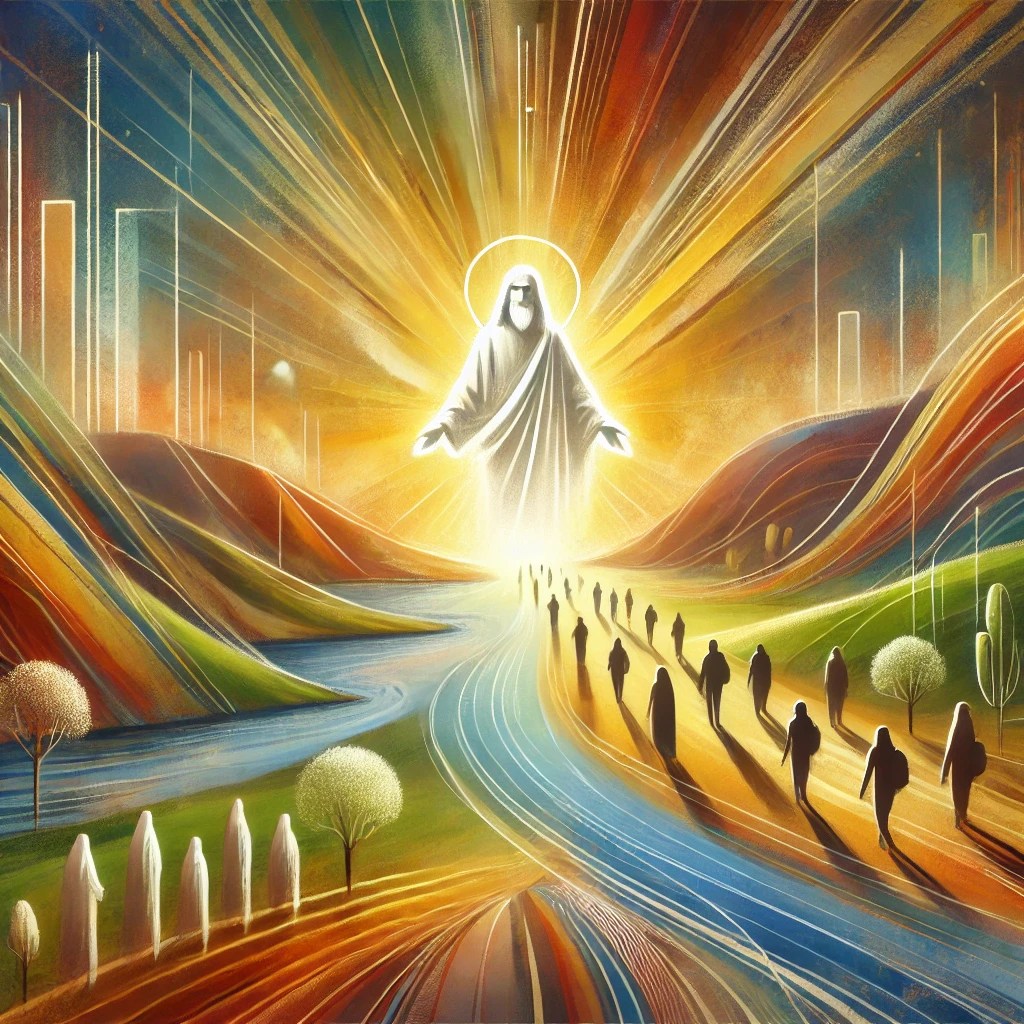
Discerning Truth and Responding to God’s Call
Have you ever felt the need to pause and ask, Am I truly walking in the light of God, or am I being swayed by the world around me? Today’s readings invite us into this sacred reflection—a journey of testing what is true, recognizing the presence of Christ, and responding to His call with love and repentance.
In the First Letter of John, we hear a clear reminder to “test the spirits” and discern what belongs to God, emphasizing the importance of remaining faithful to Christ and His commandments. The psalmist in Psalm 2 shifts our gaze to the sovereignty of God’s Anointed One, urging us to trust in Him and heed His correction. Finally, in The Gospel of Matthew, we see Jesus stepping into the spotlight of His public ministry, bringing light to those in darkness and proclaiming the good news of the Kingdom of Heaven.
Each of these passages speaks to a specific historical and religious context. In the first century, false teachers and competing ideologies posed a real threat to early Christian communities, making John’s exhortation to discernment essential. Similarly, Psalm 2, originally a royal psalm, points to the kingship of Jesus as the fulfillment of God’s promise to His people. Meanwhile, Matthew’s account of Jesus’ ministry fulfills Isaiah’s prophecy, revealing Jesus as the Light who breaks through the darkness of sin and despair.
Through these readings, we are invited to examine our hearts and ask: Am I truly following the Spirit of God? Am I seeking the light of Christ and living out His command to love one another? Let us prepare to dive into these passages with open hearts, ready to encounter the transformative call of the Lord.
First Reading – 1 John 3:22–4:6
Testing the Spirits: Walking in Truth and Love
The First Letter of John serves as a heartfelt guide to a community wrestling with internal and external challenges. Written in the late first century, this letter addresses concerns about false teachers and the erosion of unity within the early Church. At the heart of John’s message is the call to remain steadfast in faith and love, holding fast to the truth revealed in Jesus Christ. The early Christians faced a world rife with competing ideologies and philosophies, many of which sought to distort the teachings of Christ. John’s counsel to “test the spirits” was both practical and spiritual, urging believers to discern carefully who and what they trusted.
This reading fits beautifully into today’s theme of recognizing God’s presence and responding to His call. John reminds us that true discipleship is marked by obedience to God’s commandments, a deep love for one another, and the ability to discern truth from deceit. His words call us to a vigilant yet hopeful posture: to stay rooted in the Spirit of God who dwells within us and to trust in His greater power over the world. This is a timeless message for all who seek to walk in the light of Christ.
1 John 3:22-4:6
New American Bible (Revised Edition)
22 and receive from him whatever we ask, because we keep his commandments and do what pleases him. 23 And his commandment is this: we should believe in the name of his Son, Jesus Christ, and love one another just as he commanded us. 24 Those who keep his commandments remain in him, and he in them, and the way we know that he remains in us is from the Spirit that he gave us.
Chapter 4
Testing the Spirits. 1 Beloved, do not trust every spirit but test the spirits to see whether they belong to God, because many false prophets have gone out into the world. 2 This is how you can know the Spirit of God: every spirit that acknowledges Jesus Christ come in the flesh belongs to God, 3 and every spirit that does not acknowledge Jesus does not belong to God. This is the spirit of the antichrist that, as you heard, is to come, but in fact is already in the world. 4 You belong to God, children, and you have conquered them, for the one who is in you is greater than the one who is in the world. 5 They belong to the world; accordingly, their teaching belongs to the world, and the world listens to them. 6 We belong to God, and anyone who knows God listens to us, while anyone who does not belong to God refuses to hear us. This is how we know the spirit of truth and the spirit of deceit.
Detailed Exegesis
Verse 22:
“And receive from him whatever we ask, because we keep his commandments and do what pleases him.”
This verse reveals the profound relationship between obedience and answered prayer. When we align our lives with God’s commandments, we open ourselves to His blessings and guidance. This isn’t a transactional relationship; instead, it reflects the harmony that comes from a heart attuned to God’s will. Prayer offered in alignment with God’s purposes will always bear fruit, as it reflects our trust and surrender to His divine plan.
Verse 23:
“And his commandment is this: we should believe in the name of his Son, Jesus Christ, and love one another just as he commanded us.”
John distills the essence of Christian living into two interconnected commandments: faith and love. Believing in Jesus as the Son of God is not merely intellectual assent; it is a transformative faith that changes how we live. This faith naturally expresses itself in love—an active, self-giving love that reflects Christ’s own love for us. The command to love one another is not optional but central to our identity as Christians.
Verse 24:
“Those who keep his commandments remain in him, and he in them, and the way we know that he remains in us is from the Spirit that he gave us.”
The mutual abiding of God and the believer is one of the most beautiful promises in Scripture. To “remain” in God is to live in constant communion with Him, nurtured by the Holy Spirit. This verse assures us that we are never alone; the Spirit within us testifies to God’s presence and provides the strength to walk in His ways.
Chapter 4, Verse 1:
“Beloved, do not trust every spirit but test the spirits to see whether they belong to God, because many false prophets have gone out into the world.”
John’s warning against false prophets reflects a pressing issue in the early Church. These “spirits” could be false teachers or deceptive ideologies that distort the truth. Testing the spirits involves discerning whether a teaching or influence aligns with the truth of Christ as revealed through Scripture and the Church’s tradition. This verse reminds us to remain vigilant and discerning in our faith.
Verse 2:
“This is how you can know the Spirit of God: every spirit that acknowledges Jesus Christ come in the flesh belongs to God.”
The Incarnation is central to the Christian faith, affirming that Jesus is fully God and fully human. Any spirit or teaching that denies this foundational truth is not of God. This verse provides a clear standard for discerning true faith and reminds us of the importance of upholding this essential doctrine.
Verse 3:
“And every spirit that does not acknowledge Jesus does not belong to God. This is the spirit of the antichrist that, as you heard, is to come, but in fact is already in the world.”
John identifies false teachings as manifestations of the spirit of the antichrist, emphasizing their pervasive and ongoing presence. The term “antichrist” here refers not only to a future adversary but also to any force or influence that opposes Christ and His mission.
Verse 4:
“You belong to God, children, and you have conquered them, for the one who is in you is greater than the one who is in the world.”
This verse is a profound reassurance of the victory believers have through Christ. Despite the presence of opposition and deceit in the world, we can trust in the power of the Holy Spirit within us. God’s presence in us is stronger than any worldly force or temptation.
Verse 5:
“They belong to the world; accordingly, their teaching belongs to the world, and the world listens to them.”
Here, John contrasts the values of the world with the truth of God. The “world” represents a system opposed to God, characterized by self-centeredness and rebellion against His authority. False teachers and their ideologies are often appealing because they align with worldly desires, but they lack the depth and truth of God’s Word.
Verse 6:
“We belong to God, and anyone who knows God listens to us, while anyone who does not belong to God refuses to hear us. This is how we know the spirit of truth and the spirit of deceit.”
This verse underscores the role of the Church and the apostolic teaching as the touchstone for discerning truth. Those who are truly of God will recognize and respond to His Word, while others will reject it. This distinction helps us navigate the complex spiritual landscape of our world.
Teachings
The Catechism of the Catholic Church teaches that the Holy Spirit is the “Spirit of truth,” guiding believers to discern the paths of life from the ways of death (CCC 2468). This discernment is not an individual endeavor but one rooted in the community of faith, where the Church, through its apostolic tradition, safeguards the truth.
Saint Ignatius of Loyola’s teachings on discernment echo John’s exhortation to “test the spirits.” He reminds us that true peace and joy come from alignment with God’s will, while false spirits often lead to confusion and restlessness. Saint Augustine likewise emphasized the inseparability of faith and love, stating, “Faith cannot be without love, and love cannot be without faith.”
Historically, this passage has been crucial in countering heresies such as Docetism and Gnosticism, which denied either the humanity or divinity of Christ. The Church, through councils and creeds, upheld the truth of the Incarnation, affirming that Jesus is both fully God and fully man.
Reflection
This reading invites us to ask ourselves: Am I living in a way that reflects God’s truth, or am I being swayed by the world’s influences? John’s call to “test the spirits” challenges us to examine the sources of our beliefs and values. In a culture that often celebrates relativism, this passage reminds us of the unchanging truth of Christ.
To live out this truth, we must cultivate a life of prayer, Scripture study, and active love. The Holy Spirit within us empowers us to recognize God’s voice and reject what is false. Remaining in God means staying connected to Him through the sacraments, the teachings of the Church, and our daily actions.
Do I seek to discern God’s will in my choices? Am I committed to loving others as Christ has loved me? How can I remain more rooted in the Spirit of God? These questions invite us to reflect deeply on our journey of faith and to recommit ourselves to walking in the light of Christ. By embracing truth and love, we can become beacons of God’s presence in a world longing for His light.
Responsorial Psalm – Psalm 2:7-8, 10-11
The King Who Reigns Over All the Earth
Psalm 2 is a royal psalm that proclaims the authority and divine anointing of God’s chosen king. Written in the context of ancient Israel, it was likely used in coronation ceremonies for Israelite kings, emphasizing their role as God’s representative on earth. However, as Christians, we recognize that this psalm ultimately points to Jesus Christ, the eternal King who fulfills God’s promise to establish a reign of justice and peace. Through its prophetic and messianic lens, Psalm 2 aligns with today’s theme by reminding us to discern God’s presence in His Anointed One and respond to Him with reverence and trust.
In today’s cultural context, where authority is often questioned or rejected, this psalm invites us to reflect on the true nature of Christ’s kingship. It is a kingship not of domination but of love and self-sacrifice. As we meditate on this psalm, we are called to submit to Christ as Lord and seek refuge in Him, knowing that true blessedness lies in aligning ourselves with His divine will.
Psalm 2:7-8, 10-11
New American Bible (Revised Edition)
7 I will proclaim the decree of the Lord,
he said to me, “You are my son;
today I have begotten you.
8 Ask it of me,
and I will give you the nations as your inheritance,
and, as your possession, the ends of the earth.
10 And now, kings, give heed;
take warning, judges on earth.
11 Serve the Lord with fear;
exult with trembling,
Accept correction
lest he become angry and you perish along the way
when his anger suddenly blazes up.
Blessed are all who take refuge in him!
Detailed Exegesis
Verse 7:
“I will proclaim the decree of the Lord, he said to me, ‘You are my son; today I have begotten you.’”
This verse captures the intimate relationship between God and His anointed king, who is declared to be His “son.” In its original context, this phrase signified the unique role of the king as a representative of God on earth. For Christians, it is a clear foreshadowing of Jesus Christ, the Son of God, who is “begotten, not made.” This verse underscores the divine origin of Christ’s kingship, as affirmed at His baptism and transfiguration, when God declared, “This is my beloved Son, in whom I am well pleased” (Matthew 3:17).
Verse 8:
“Ask it of me, and I will give you the nations as your inheritance, and, as your possession, the ends of the earth.”
Here, God promises universal authority to His anointed king. Historically, this verse reflects the hope of Israel’s leaders to expand their influence and establish justice among the nations. In Jesus, this promise is fulfilled eternally. Christ’s reign is not limited to geographical boundaries but extends to all creation, as He is the King of Kings. His inheritance includes not only nations but every soul redeemed through His sacrifice.
Verse 10:
“And now, kings, give heed; take warning, judges on earth.”
This verse serves as a call to worldly leaders to recognize the sovereignty of God and align their governance with His divine will. It carries a tone of both admonition and invitation, reminding rulers that their authority is subordinate to God’s. For us, it is a reminder to submit our own lives to Christ’s rule and seek His guidance in our decisions, big or small.
Verse 11:
“Serve the Lord with fear; exult with trembling.”
This verse blends reverence and joy, capturing the proper disposition of those who serve God. To “fear” the Lord is not to cower in dread but to stand in awe of His majesty and holiness. The call to “exult with trembling” reflects the balance between joy in God’s goodness and a deep respect for His authority. It is a reminder that true worship involves both love and humility.
Verse 12:
“Blessed are all who take refuge in him!”
The psalm concludes with a powerful declaration of trust. To take refuge in God is to place our lives in His hands, confident in His protection and provision. This verse points us to Jesus as our ultimate refuge, echoing His invitation: “Come to me, all you who labor and are burdened, and I will give you rest” (Matthew 11:28). True blessedness is found in surrendering to Christ and trusting in His unfailing care.
Teachings
The Catechism of the Catholic Church affirms Christ’s kingship as both universal and eternal. “The kingdom of Christ is already present in mystery, on earth, the seed and beginning of the kingdom” (CCC 669). As members of His kingdom, we are called to submit to His rule and participate in building His reign through lives of faith and love.
Saint Augustine, reflecting on Psalm 2, wrote: “He is King, not because He exacts tribute, but because He rules for the benefit of those whom He rules.” This reflects the nature of Christ’s kingship as one of self-giving love rather than domination. Similarly, Saint John Paul II often emphasized the importance of recognizing Christ as King in a secularized world, urging believers to proclaim His reign through their witness.
Historically, Psalm 2 has been central in Christian liturgy and theology, particularly in Advent and Easter, as it celebrates the fulfillment of God’s promises in Christ. It was also a source of strength for early Christians facing persecution, reminding them that Christ’s victory over the nations was assured.
Reflection
As we meditate on Psalm 2, we are invited to consider our relationship with Christ as King. Do we truly allow Him to reign in every area of our lives, or are there places where we resist His authority? This psalm challenges us to embrace Christ’s kingship not as a burden but as a source of freedom and joy.
In daily life, serving Christ with “fear” and “trembling” means living with a sense of awe and gratitude for His love. It means aligning our priorities with His, seeking His guidance in our decisions, and placing our trust in His care. The psalm’s call to “take refuge” in God reminds us that no matter what challenges we face, we can find peace and strength in His presence.
Where do you seek refuge when life feels overwhelming? Do you turn to Christ as your King, or do you rely on your own strength? How can you better acknowledge His authority and allow His love to transform your heart? Let this psalm inspire you to draw closer to Christ, trusting in His reign and surrendering to His perfect will. Through Him, we find the blessedness and peace we long for.
Holy Gospel – Matthew 4:12-17, 23-25
The Light Has Dawned: Christ’s Call to Repentance and Healing
This passage from The Gospel of Matthew marks the beginning of Jesus’ public ministry following the arrest of John the Baptist. Jesus’ relocation to Galilee, specifically to the region of Zebulun and Naphtali, fulfills Isaiah’s prophecy of a great light shining on those living in darkness. Historically, Galilee was a region populated by both Jews and Gentiles, often looked down upon by those in Judea for its mixed culture and distance from the Temple in Jerusalem. Yet, it is here that Jesus begins His mission, bringing hope to the marginalized and calling all to repentance.
Matthew consistently emphasizes Jesus as the fulfillment of Old Testament prophecy, and today’s reading highlights His role as the light who dispels the darkness of sin and death. Jesus’ proclamation, “Repent, for the kingdom of heaven is at hand,” sets the tone for His entire ministry, inviting all to turn away from sin and embrace the life of grace. The theme of light overcoming darkness resonates deeply, connecting with the readings from 1 John and Psalm 2, which call us to discern God’s presence and live in alignment with His will.
Matthew 4:12-17
New American Bible (Revised Edition)
12 When he heard that John had been arrested, he withdrew to Galilee. 13 He left Nazareth and went to live in Capernaum by the sea, in the region of Zebulun and Naphtali, 14 that what had been said through Isaiah the prophet might be fulfilled:
15 “Land of Zebulun and land of Naphtali,
the way to the sea, beyond the Jordan,
Galilee of the Gentiles,
16 the people who sit in darkness
have seen a great light,
on those dwelling in a land overshadowed by death
light has arisen.”
17 From that time on, Jesus began to preach and say, “Repent, for the kingdom of heaven is at hand.”
23 He went around all of Galilee, teaching in their synagogues, proclaiming the gospel of the kingdom, and curing every disease and illness among the people. 24 His fame spread to all of Syria, and they brought to him all who were sick with various diseases and racked with pain, those who were possessed, lunatics, and paralytics, and he cured them. 25 And great crowds from Galilee, the Decapolis, Jerusalem, and Judea, and from beyond the Jordan followed him.
Detailed Exegesis
Verse 12:
“When he heard that John had been arrested, he withdrew to Galilee.”
Jesus’ move to Galilee following John the Baptist’s arrest demonstrates the continuity of their ministries. John’s role as the forerunner has ended, and Jesus steps forward to fulfill His mission. This action also shows Jesus’ wisdom in timing; He begins His ministry in Galilee, away from the immediate threat of Herod’s authority in Judea.
Verse 13:
“He left Nazareth and went to live in Capernaum by the sea, in the region of Zebulun and Naphtali.”
By settling in Capernaum, Jesus establishes His base in a strategic location—a bustling town by the Sea of Galilee. This region, historically tied to the tribes of Zebulun and Naphtali, was associated with exile and despair following Assyrian conquests. Jesus’ presence here symbolizes restoration and hope for a people long overshadowed by foreign domination.
Verse 14-16:
“That what had been said through Isaiah the prophet might be fulfilled: ‘Land of Zebulun and land of Naphtali, the way to the sea, beyond the Jordan, Galilee of the Gentiles, the people who sit in darkness have seen a great light, on those dwelling in a land overshadowed by death light has arisen.’”
Matthew explicitly connects Jesus’ ministry to Isaiah’s prophecy (Isaiah 9:1-2), emphasizing Jesus as the light shining into the world’s darkness. The imagery of light and darkness captures the spiritual reality of sin and grace. For those living in the “shadow of death,” Jesus brings the promise of new life and salvation, illuminating hearts clouded by despair.
Verse 17:
“From that time on, Jesus began to preach and say, ‘Repent, for the kingdom of heaven is at hand.’”
Jesus’ first proclamation sets the foundation for His message: repentance and the nearness of God’s kingdom. Repentance, or metanoia, signifies a complete turning of the heart and mind toward God. The “kingdom of heaven” is not a distant reality but one breaking into the present through Jesus. This verse invites us to actively prepare our hearts for God’s reign by renouncing sin and embracing His grace.
Verse 23:
“He went around all of Galilee, teaching in their synagogues, proclaiming the gospel of the kingdom, and curing every disease and illness among the people.”
Jesus’ ministry is holistic, encompassing teaching, proclamation, and healing. His teachings in the synagogues affirm His role as a rabbi and fulfill the Jewish expectation of a Messiah who brings wisdom. The healings, however, reveal His divine authority, showing that His words are accompanied by transformative power.
Verse 24:
“His fame spread to all of Syria, and they brought to him all who were sick with various diseases and racked with pain, those who were possessed, lunatics, and paralytics, and he cured them.”
Jesus’ compassion is evident as He heals those suffering physically, mentally, and spiritually. His outreach to all—regardless of their condition—underscores the universality of His mission. The mention of Syria, a Gentile region, highlights the inclusivity of His message and foreshadows the Church’s mission to the nations.
Verse 25:
“And great crowds from Galilee, the Decapolis, Jerusalem, and Judea, and from beyond the Jordan followed him.”
The widespread response to Jesus’ ministry demonstrates the magnetic power of His message and actions. People from diverse regions and backgrounds are drawn to Him, signaling the beginning of the universal Church. These crowds foreshadow the global impact of Jesus’ mission.
Teachings
The Catechism of the Catholic Church teaches that the proclamation of the kingdom of heaven is central to Jesus’ ministry. “To carry out the will of the Father, Christ inaugurated the kingdom of heaven on earth” (CCC 763). This kingdom is present wherever God’s will is done, and it reaches its fullness in heaven. Through Jesus’ call to repentance, we are invited to participate in this kingdom by turning away from sin and living as children of God.
Saint John Paul II often reflected on the light of Christ, describing Him as the one who reveals the truth of God’s love to humanity. He wrote, “Christ alone is the light of the world who brightens our darkness.” Saint Augustine similarly emphasized the need for repentance, stating that “the confession of evil works is the beginning of good works.” These teachings remind us that repentance is not a one-time act but a continuous journey of renewal.
In the history of salvation, Jesus’ mission in Galilee marked a radical turning point. His outreach to both Jews and Gentiles reflected God’s plan for universal salvation, breaking down barriers of culture and status. This universality continues in the Church’s mission to bring the light of Christ to all corners of the earth.
Reflection
This Gospel passage invites us to reflect on how Christ’s light shines into the darkness of our own lives. Jesus calls us to repentance—not out of condemnation but out of love. His proclamation of the kingdom of heaven is a reminder that God’s grace is always near, waiting for us to respond. The imagery of light breaking into darkness resonates deeply in moments when we feel lost or burdened. Jesus comes to offer healing, hope, and a path toward new life.
In our daily lives, we are called to let the light of Christ shine through us. This means turning away from sin, embracing the sacraments, and allowing God’s Word to guide our actions. It also means being a source of light for others, reaching out to those who are struggling, and sharing the hope of the Gospel.
Are there areas in your life where you are sitting in darkness, longing for the light of Christ? How can you respond to His call to repent and believe in the Gospel? Reflect on how you can let His light shine through you, illuminating a world in need of hope and grace. In His kingdom, we find the healing and joy we were created to share.
Living in the Light: A Call to Discern, Trust, and Follow
Today’s readings converge in a powerful message of light, truth, and God’s invitation to live in communion with Him. From 1 John, we are reminded to discern the Spirit of truth and remain steadfast in love and faithfulness to God’s commandments. Psalm 2 draws us to contemplate the sovereignty of Christ, the eternal King, urging us to take refuge in Him and serve Him with reverence and joy. Finally, in The Gospel of Matthew, we see the fulfillment of God’s promise as Jesus begins His ministry, bringing light to those in darkness and inviting us to repentance and healing.
Together, these passages challenge us to test the spirits in our lives, to trust in the kingship of Christ, and to embrace the light of His presence. They call us to a faith that is active—grounded in love, discernment, and a willingness to respond to His call with open hearts. Jesus’ proclamation, “Repent, for the kingdom of heaven is at hand,” resonates not only in His time but in ours, as we are invited daily to turn back to Him and allow His light to transform us.
The invitation is clear: let Christ’s light shine into the dark corners of your heart. Trust in His kingship and find refuge in His love. As you go about your day, ask yourself: Where is God calling me to repent and return to Him? How can I bring the light of Christ to others through my words and actions?
Let us pray for the courage to respond to God’s call, the wisdom to discern His voice, and the grace to walk in His light. As His children, we are called to reflect His truth in a world that so often stumbles in darkness. May we, like the people of Galilee, see the great light of Christ and follow Him wherever He leads. Today, let us take that step of faith, trusting that in His light, we will find the fullness of life and joy.
Engage with Us!
We’d love to hear from you! What stood out to you in today’s readings? How is God speaking to your heart through His Word? Share your thoughts and reflections in the comments below—we’re all on this journey together, and your insights could inspire someone else!
Here are some questions to guide your reflection:
- From the First Reading (1 John 3:22–4:6): Are there “spirits” or influences in your life that you need to test more carefully? How do you remain rooted in Christ’s commandments of faith and love?
- From the Responsorial Psalm (Psalm 2:7-8, 10-11): What does it mean for you to take refuge in Christ as your King? How can you serve Him with reverence and joy in your daily life?
- From the Gospel (Matthew 4:12-17, 23-25): Where is Jesus calling you to repentance and healing? How can you be a light for others, bringing His hope and love to those around you?
As you go forth today, may you live boldly in the light of Christ. Let His truth guide your decisions, His mercy shape your actions, and His love inspire everything you do. Together, let’s strive to live lives of faith, reflecting the love and mercy that Jesus has taught us, and shining His light in a world that so desperately needs it. God bless you!
Follow us on Instagram and Facebook for more insights and reflections on living a faith-filled life.

 Holy Manna!
Leave a comment