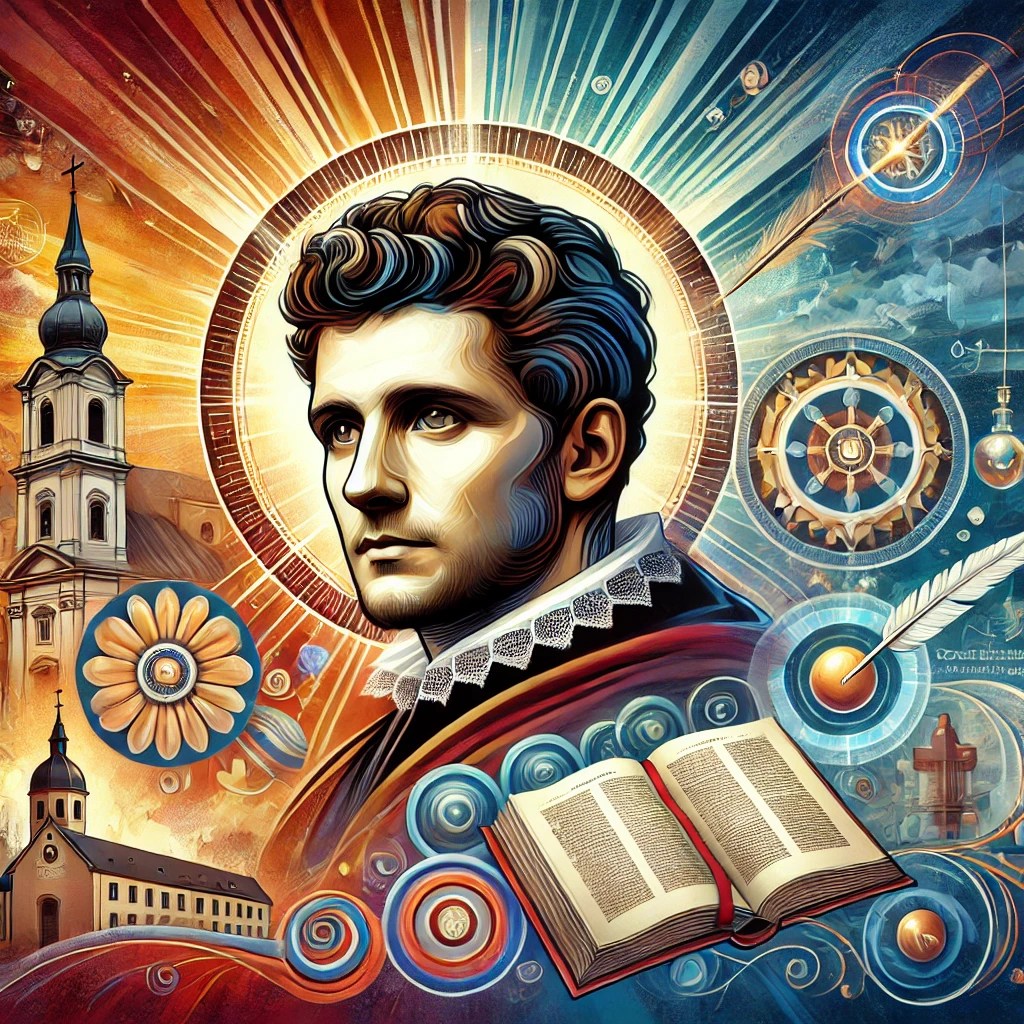
Champion of the Counter-Reformation
Saint Peter Canisius is one of the great heroes of the Catholic Counter-Reformation, a man whose intellectual brilliance and pastoral zeal helped shape the faith of a continent in turmoil. Known as the “Second Apostle of Germany,” he was instrumental in preserving Catholicism in regions heavily influenced by the Protestant Reformation. His relentless efforts to teach, preach, and write resulted in countless souls returning to the Church.
Peter Canisius authored influential catechisms that clarified Catholic doctrine, ensuring it could be understood by people of all ages and educational levels. Beyond his scholarly work, his personal holiness, compassion for the sick, and steadfast defense of the faith in the face of opposition made him a beacon of hope during a tumultuous time. Canonized in 1925 and named a Doctor of the Church for his contributions to theology and catechesis, Peter’s life stands as a testament to what it means to serve God with intellect and heart.
Early Life and Spiritual Awakening
Peter Canisius was born on May 8, 1521, in Nijmegen, part of the Duchy of Guelders (modern-day Netherlands). He was the eldest son of Jacob Canisius, a wealthy and influential burgomaster, and Ægidia van Houweningen. Tragically, Peter’s mother passed away shortly after his birth, and he grew up in a devout household under his father’s guidance. Despite his privileged upbringing, Peter displayed an early inclination toward piety and learning.
At just 15 years old, Peter began his studies at the University of Cologne, where he distinguished himself as a bright and diligent student. By the age of 19, he had earned a Master of Arts degree, and his intellect seemed destined for a prestigious career. However, an encounter with Blessed Peter Faber, one of the first companions of Saint Ignatius of Loyola, changed the course of his life. Through Faber, Peter experienced the transformative Spiritual Exercises, a rigorous program of prayer and discernment that deepened his relationship with God.
In 1543, Peter joined the Society of Jesus, the newly formed Jesuit order. This decision marked the beginning of his mission to serve God wholeheartedly. Ordained a priest in 1546, he quickly emerged as a leader in the Church’s efforts to counteract the effects of the Reformation. His passion for spreading the faith led him to establish schools, write catechisms, and travel extensively to preach and teach.
Miracles During His Ministry
Although Saint Peter Canisius is best remembered for his intellectual and pastoral achievements, his life also bore signs of God’s miraculous intervention. Accounts of his ministry tell of his ability to inspire dramatic conversions through his preaching, even among those deeply entrenched in Protestant beliefs. It was said that his words carried a divine power that softened hardened hearts and rekindled faith in regions where Catholicism had nearly disappeared.
One particularly striking example occurred during Peter’s time in Vienna, where he ministered to the sick and dying during a devastating outbreak of the plague. While others fled, Peter remained steadfast, caring for the afflicted with courage and compassion. Many saw his survival, despite constant exposure to the disease, as a testament to God’s protection over him. His unwavering presence during such a dire time not only saved lives but also brought countless individuals back to the Church.
Trials and Perseverance
Peter Canisius’s mission was fraught with challenges. The Protestant Reformation had caused significant divisions within the Church, and his efforts to restore Catholicism often met with resistance. Working in Germany, Austria, and Switzerland—regions where Protestantism had gained significant ground—he faced not only theological opposition but also political hostility from rulers and communities who opposed his message.
Despite these obstacles, Peter remained resolute. He founded Jesuit colleges that became vital centers of Catholic education, helping to form a new generation of faithful leaders. His theological acumen allowed him to engage in debates with Protestant leaders, defending Catholic doctrine with clarity and charity. His perseverance and humility earned him respect, even among his adversaries. Through his tireless efforts, Peter not only preserved the faith in many regions but also restored it in areas where it had nearly been lost.
Miracles Following His Passing
After Saint Peter Canisius passed away on December 21, 1597, in Fribourg, Switzerland, reports of miracles attributed to his intercession began to spread. Pilgrims visited his tomb, seeking physical and spiritual healing, and many claimed to experience miraculous recoveries. One account tells of a man who had been paralyzed for years. After praying at Peter’s tomb, the man was healed and walked away unaided. Such stories fueled the growing devotion to Peter Canisius and solidified his reputation as a holy intercessor.
His canonization in 1925 by Pope Pius XI was accompanied by his declaration as a Doctor of the Church. This rare and prestigious title recognized not only his holiness but also his contributions to the Church’s intellectual and spiritual life. Today, his relics remain a source of veneration, and his legacy continues to inspire Catholics around the world.
Lessons from Saint Peter Canisius
The life of Saint Peter Canisius teaches us the power of faith, intellect, and compassion to overcome even the greatest challenges. His example reminds us that God calls us to use our talents for His glory, whether through teaching, service, or acts of charity. Here are some practical ways to apply the lessons of his life:
- Commit to Deepening Your Faith: Peter Canisius devoted his life to understanding and teaching Catholic doctrine. Take time to study the Bible and the Catechism, and seek opportunities to learn more about your faith through reading, attending talks, or participating in Bible studies.
- Serve Others with Compassion: Peter’s care for the sick during the plague is a model of selfless love. Look for ways to serve those in need in your own community, whether through volunteering, providing a listening ear, or supporting those who are struggling.
- Stand Firm in Adversity: Peter faced tremendous challenges in his mission to defend the faith, yet he persevered with courage and humility. When faced with difficulties in your own life, turn to God for strength and trust in His plan for you.
Engage with Us!
We would love to hear your reflections and insights in the comments below!
- How can Saint Peter Canisius’s example inspire you to deepen your understanding of the Catholic faith?
- In what ways can you show compassion and service to those in need in your community?
- What challenges in your life call for the same perseverance and trust in God that Saint Peter Canisius demonstrated?
Let us come together as a community to encourage one another in our journey of faith. May the example of Saint Peter Canisius inspire us to glorify God in all that we do and to trust in His guidance through every trial.
Saint Peter Canisius, pray for us!
Follow us on Instagram and Facebook for more insights and reflections on living a faith-filled life.

 Holy Manna!
Leave a comment