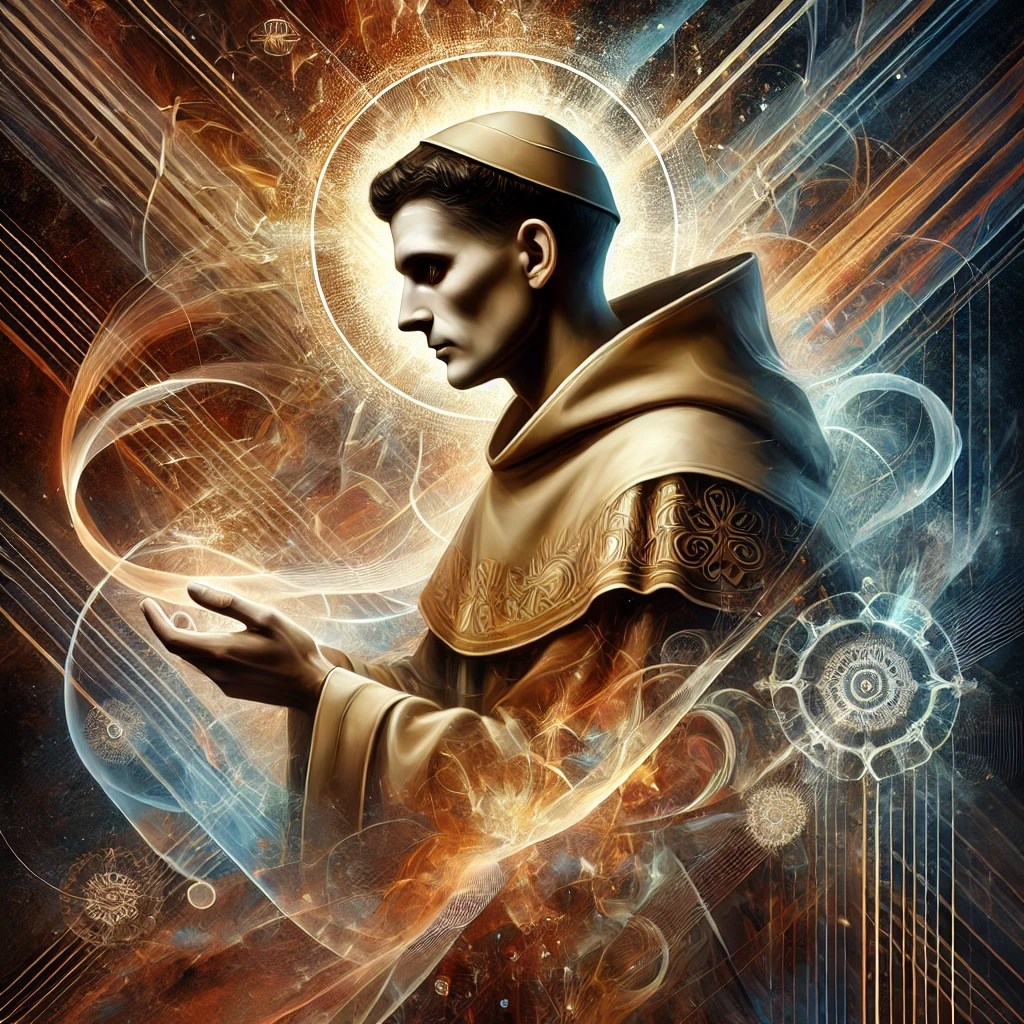
Illuminating the Dark Night
Saint John of the Cross (1542–1591) is celebrated as one of the greatest mystics and spiritual teachers in the history of the Catholic Church. His works have illuminated the path to a deeper relationship with God, particularly during times of spiritual darkness and trial. As a Carmelite friar and priest, he partnered with Saint Teresa of Ávila to reform the Carmelite Order, establishing the Discalced Carmelites, a branch dedicated to simplicity, poverty, and prayer.
John’s writings, including The Dark Night of the Soul, The Ascent of Mount Carmel, and Spiritual Canticle, provide profound insights into the journey of the soul toward union with God. These texts have earned him the title of Doctor of the Church, a designation reserved for saints whose writings have significantly influenced Catholic theology. His life and teachings continue to inspire believers to persevere in faith, even when faced with spiritual dryness or worldly struggles.
Early Life and Conversion
John was born on June 24, 1542, in Fontiveros, Spain, to a devout and humble family. His father, Gonzalo de Yepes, was a silk weaver who gave up a life of wealth to marry Catalina Álvarez, a poor woman of lower social status. This decision led to estrangement from his family, leaving John’s parents to live in poverty. After Gonzalo’s death when John was only three years old, his mother struggled to provide for the family.
Despite these hardships, John displayed a deep sensitivity to others’ needs from an early age. His family moved to Medina del Campo, where he attended a school for impoverished children and later studied with the Jesuits. During this time, he also worked at a hospital, demonstrating exceptional compassion for the sick and marginalized.
In 1563, at the age of 21, John joined the Carmelite Order, drawn by its emphasis on prayer and service. He took the religious name John of St. Matthias and was later ordained as a priest in 1567. Though deeply committed to his faith, John felt called to a more austere and contemplative life. This desire nearly led him to leave the Carmelites for the Carthusians, an order known for their rigorous spiritual discipline. However, God had other plans.
That same year, John met Saint Teresa of Ávila, who was working to reform the Carmelite Order by returning it to its original simplicity and focus on prayer. She persuaded John to join her efforts, and together they founded the Discalced Carmelites. This reformed branch of the order emphasized a life of poverty, contemplation, and total reliance on God.
Miracles During Life
While Saint John of the Cross is best remembered for his mystical writings, his life was marked by moments of divine intervention and spiritual gifts. He experienced numerous mystical visions, particularly of Christ and the Virgin Mary, which deepened his union with God and informed his theological insights.
One of the most remarkable aspects of John’s ministry was his ability to inspire transformation in others. His preaching and counsel often led to profound conversions, and he was known for his extraordinary ability to guide others through spiritual trials.
During his imprisonment in Toledo, for example, John endured severe suffering with patience and humility, becoming a source of inspiration even to those who guarded him. This quiet witness to faith left a lasting impact on many and solidified his reputation as a man of extraordinary holiness.
Hardships and Perseverance
John’s commitment to reforming the Carmelite Order was not without its challenges. Many within the original Carmelite Order opposed his efforts, viewing the reforms as a threat to their established way of life. In 1577, these tensions culminated in John’s imprisonment by his fellow Carmelites in Toledo.
For nine months, he was confined in a small, dark cell, enduring malnutrition, isolation, and physical abuse. Despite these conditions, John maintained an unwavering faith in God. It was during this period of suffering that he composed some of his most beautiful poetry, including portions of the Spiritual Canticle. These works reflect a profound trust in God and a deep understanding of the soul’s journey through trials to divine union.
In a dramatic turn of events, John managed to escape from his cell by tying together pieces of cloth to create a makeshift rope. His escape was not just a physical liberation but also a powerful symbol of the triumph of faith and perseverance over adversity.
Miracles After Death
After his death on December 14, 1591, Saint John of the Cross’s intercession became associated with numerous miracles. Many of these miracles involved physical healings and answered prayers, drawing pilgrims to his tomb in Úbeda, Spain.
Years after his death, his body was exhumed and found to be incorrupt, a sign often associated with sainthood. This miraculous preservation of his remains further fueled devotion to him. Relics of Saint John were distributed to various Carmelite monasteries, becoming sources of spiritual inspiration and healing for countless believers.
His writings also continued to bear fruit after his death. They have guided countless souls toward a deeper understanding of God’s love and the spiritual path of detachment, humility, and trust. Today, his works remain essential reading for those seeking to deepen their relationship with God.
Reflection
Saint John of the Cross’s life offers profound lessons on the nature of faith, perseverance, and the transformative power of suffering. His teachings remind us that even the darkest moments in our lives—the “dark nights of the soul”—can lead to profound spiritual growth if we trust in God’s presence.
In our own lives, we can draw inspiration from his example by embracing challenges with patience and seeking God in silence and prayer. His emphasis on detachment from worldly goods encourages us to focus on what truly matters: our relationship with God and our love for others.
Practical ways to apply his teachings include setting aside time for contemplative prayer, practicing acts of humility, and trusting in God’s providence even when His presence feels distant. Through these practices, we can grow in faith and experience the joy of union with God.
Engage with Us!
We invite you to reflect on the life and teachings of Saint John of the Cross and share your thoughts in the comments. Together, we can encourage one another in our spiritual journeys and find strength in the example of this great saint.
Reflection Questions:
- Have you ever experienced a time in your life when God seemed distant? How did you navigate that experience, and what role did faith play in your journey?
- What steps can you take to practice detachment from material possessions or worldly distractions to grow closer to God?
- How can you incorporate contemplative prayer or moments of silence into your daily routine to deepen your relationship with God?
Let us encourage one another to persevere in faith, trusting that God’s light will shine even in the darkest moments of our lives.
Saint John of the Cross, pray for us!
Follow us on Instagram and Facebook for more insights and reflections on living a faith-filled life.

 Holy Manna!
Leave a comment