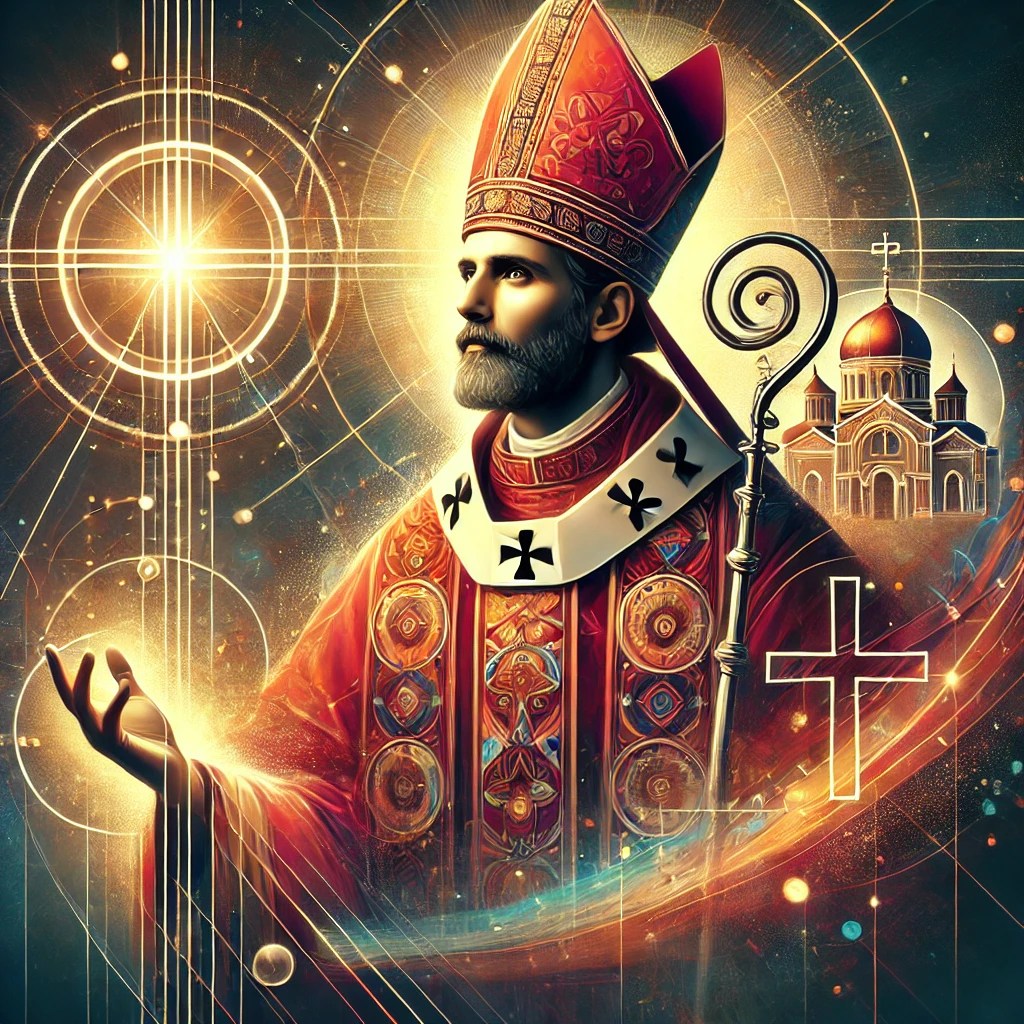
The Defender of Christian Unity and Martyr for the Faith
Saint Josaphat, a 17th-century Catholic bishop and martyr, is celebrated as a courageous and faithful “Apostle of Unity” for his passionate work toward reconciliation between the Eastern Orthodox and Catholic Churches. During a time of deep religious and political divides, his relentless dedication to bridging these gaps not only made him a prominent figure within the Church but also an inspiring example of sacrificial love for the faith. Saint Josaphat’s legacy is one of profound courage, as he ultimately sacrificed his life defending the Union of Brest, an effort that aimed to unite the Ruthenian Church with Rome while preserving Eastern rites. His martyrdom serves as a testament to his unwavering commitment to Christian unity, and he remains a powerful intercessor for those striving for peace and understanding in a divided world.
Josaphat’s feast day, celebrated on November 12, offers an opportunity to reflect on the enduring importance of unity within the Body of Christ. As Catholics, we are called to follow in his footsteps, seeking not only to deepen our personal faith but also to work toward harmony within our communities, always inspired by the same love for Christ that animated Josaphat’s life.
A Journey Toward Holiness and Unity
Born around 1580 in Volodymyr, a town in what is now Ukraine, Saint Josaphat, originally named John Kuncevyc, came from a Ruthenian Orthodox family. He grew up in an environment shaped by diverse Christian traditions, where Orthodox and Catholic communities coexisted but often in tension. From a young age, Josaphat was drawn to prayer and study, standing out among his peers for his devotion. His interest in faith and theology was encouraged by his mother, who nurtured his piety and commitment to God.
A pivotal moment in Josaphat’s life occurred when he encountered the Union of Brest in 1596. This event sought to bring the Ruthenian Church into communion with the Roman Catholic Church while allowing it to retain its Eastern liturgical customs. This concept of unity deeply resonated with Josaphat, who saw in it an answer to the divisions he had witnessed. Inspired by the ideals of the Union, he converted to Catholicism and joined the Basilian Monastery of the Holy Trinity in Vilnius, Lithuania, taking the monastic name Josaphat. His decision was met with resistance, as the move toward union with Rome was viewed as controversial by many in his community. However, Josaphat’s faith and commitment to Church unity only deepened as he embraced monastic life, devoting himself to prayer, fasting, and the study of Scripture.
Josaphat’s conversion and entry into the Basilian Order marked the beginning of a lifelong mission to bring Eastern Orthodox believers into communion with Rome. His work as a monk and, later, as a priest reflected his zeal for unity and his love for the liturgical traditions of the Eastern Church. Over time, Josaphat’s spiritual and intellectual gifts were recognized, and he was appointed Bishop of Vitebsk and later Archbishop of Polotsk, where his ministry focused on deepening the faith of his flock and promoting understanding between Catholic and Orthodox believers.
Signs of God’s Grace and Power
Saint Josaphat’s life was marked by numerous acts of charity, compassion, and what many viewed as miraculous signs of God’s grace. The power of his preaching and the profound effect he had on people were seen as supernatural signs of his sanctity. His sermons were known for their ability to pierce the hearts of his listeners, drawing even the most skeptical individuals toward repentance and a desire for unity. People often spoke of experiencing a sense of peace and divine presence in his company.
One notable instance often recounted involved his pastoral care for those suffering both spiritually and physically in his diocese. His intercession in prayer was said to bring healing and relief to the afflicted, and many came to believe that Josaphat was gifted with the grace to heal broken hearts and encourage weary souls. His gentleness and empathy made him a comforting presence, and his very life became a source of consolation and hope for those struggling with faith or divided loyalties.
Josaphat’s ministry was, in itself, a testament to the miraculous power of love and unity in Christ. Through tireless work and prayer, he brought about the conversion of many, fostering a spirit of reconciliation among families, parishes, and communities. His mere presence was a reminder of the peace that Christ offers, and in an age of conflict and discord, Josaphat’s influence stood as a miracle of Christian love and harmony.
The Cost of Unity and Love for Christ
Saint Josaphat’s mission to unite the Church was fraught with significant obstacles and opposition. Many viewed the Union of Brest as a threat to their Orthodox traditions, and as a Catholic bishop, Josaphat became a target for those who saw the union with Rome as a betrayal. He faced relentless resistance from both secular and religious leaders who were opposed to his mission. Over time, this opposition escalated into hostility and violence. Despite threats to his life, Josaphat continued his pastoral work, often walking unarmed into hostile regions to preach the Gospel and share the message of unity.
The climax of Josaphat’s sufferings came on November 12, 1623, in Vitebsk. A group of dissidents, enraged by his efforts to unite the Church, broke into his residence, attacking him with brutal force. Josaphat’s murder was a horrific scene, as he was beaten, his body mutilated, and finally thrown into a river. The crowd’s actions were meant to silence his voice and end his mission, yet his martyrdom only served to underscore his dedication and love for Christ. His blood became the seed of faith for many who later converted or renewed their commitment to Church unity after witnessing his sacrifice.
Saint Josaphat’s martyrdom is significant because it highlights the tremendous cost that true unity sometimes demands. His willingness to face death rather than abandon his mission exemplifies the courage that Christ calls us to embrace. Josaphat’s death, far from ending his influence, inspired countless others to work for peace, unity, and faithfulness to the teachings of the Church.
Healings, Pilgrimages, and a Legacy of Faith
After Saint Josaphat’s death, reports of miracles attributed to his intercession began to circulate widely. His body was recovered from the river, remarkably incorrupt, and became a powerful symbol of his sanctity and God’s grace. The faithful who prayed at his tomb often experienced miraculous healings, conversions, and renewed devotion to Christ. One story recounts a woman who, upon praying for his intercession, was healed of a chronic illness that had plagued her for years. Testimonies like hers spread rapidly, leading to an increase in pilgrimages to sites associated with Saint Josaphat.
In 1867, Pope Pius IX canonized Josaphat, formally recognizing his sanctity and his significance as a martyr for Christian unity. His relics were later transferred to St. Peter’s Basilica in Rome, where they are enshrined to this day. Pilgrims from around the world visit his tomb, seeking his intercession for unity within their own families, communities, and the global Church. Saint Josaphat’s legacy endures as a source of inspiration, reminding us of the power of sacrifice, prayer, and perseverance in the face of adversity.
Learning from Saint Josaphat’s Life of Unity and Sacrifice
Saint Josaphat’s life invites us to reflect on our commitment to unity and the sacrifices we are willing to make for the sake of Christ. As Catholics, we are encouraged to strive for peace in our relationships, communities, and workplaces, recognizing that unity often requires patience, humility, and forgiveness. Here are a few ways we can incorporate Saint Josaphat’s teachings into our lives:
- Commit to Unity in Small Ways: Begin by fostering unity within your own home and relationships. Reaching out in forgiveness, patience, and understanding with those closest to you can be a powerful witness to Christ’s love.
- Embrace Sacrifice in Faith: Like Saint Josaphat, we may face challenges or resistance when sharing our faith or promoting peace. Let us be willing to make sacrifices, whether small or large, to remain faithful to Christ’s call, even when it comes at a personal cost.
- Pray for Reconciliation and Healing: Saint Josaphat reminds us of the transformative power of prayer. When facing division or discord, commit to praying daily for unity and healing within your community, trusting that God will work through your efforts and your prayers.
By reflecting on Saint Josaphat’s example, we find encouragement to live courageously for the Gospel, knowing that unity is worth pursuing even when it demands perseverance and sacrifice.
Engage with Us!
Saint Josaphat’s life and martyrdom continue to resonate with believers today. What lessons from his life inspire you the most? How does his commitment to unity encourage you in your faith journey? Share your reflections below and join the conversation!
Reflection Questions
- What are some practical ways you can promote unity within your family, parish, or workplace?
- How can you draw strength from Saint Josaphat’s example of sacrifice in your own struggles?
- In what ways can his life help you grow in patience, resilience, and love for others?
Let’s support each other in our faith journeys, drawing inspiration from Saint Josaphat’s example to live out Christ’s call to unity and love in our daily lives.
Saint Josaphat, pray for us!
Follow us on Instagram and Facebook for more insights and reflections on living a faith-filled life.

 Holy Manna!
Leave a comment