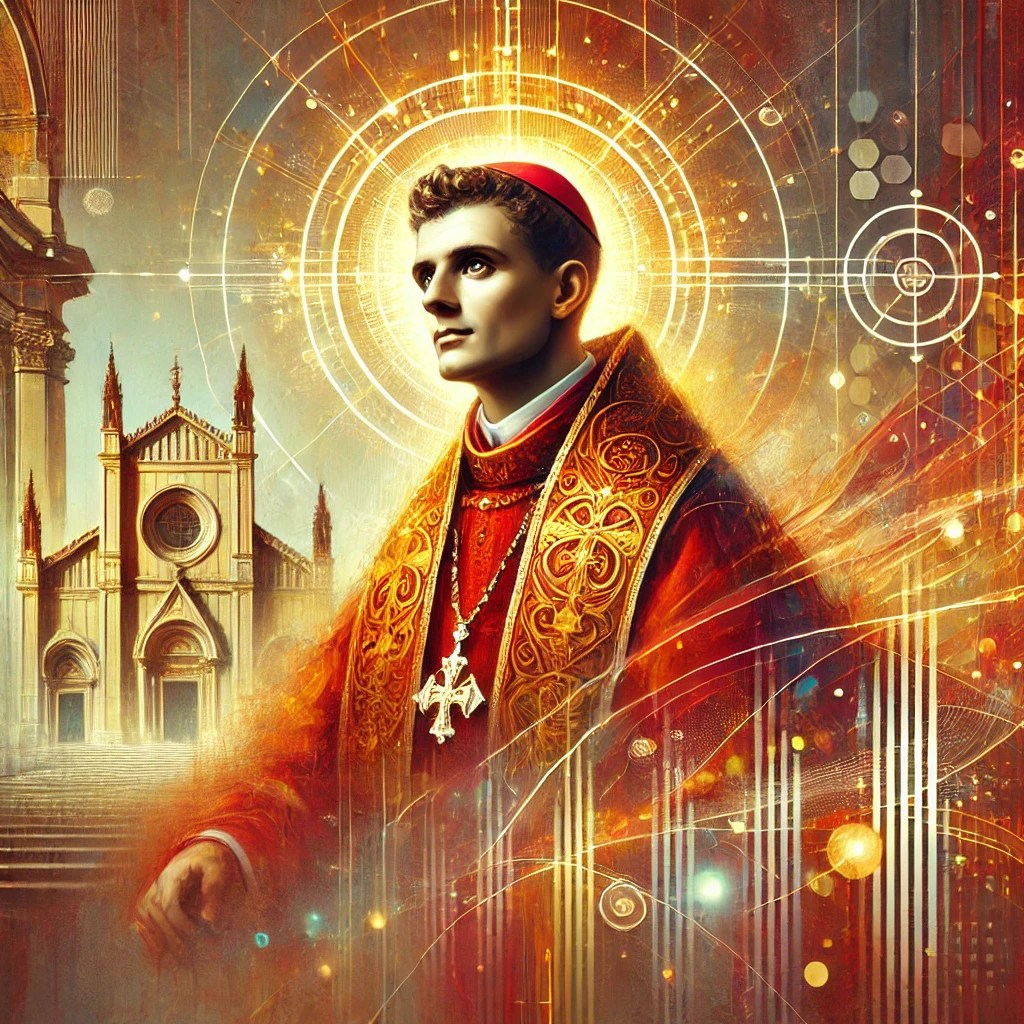
A Light Amidst the Shadows of Reform
Saint Charles Borromeo was one of the Catholic Church’s most significant figures during the Counter-Reformation, a period of major religious upheaval. Born into a powerful and wealthy family in 1538, Charles chose not a life of luxury but one of austere devotion and service to God. As Archbishop of Milan, he spearheaded essential reforms in Church life and established seminaries to educate clergy during a time when many needed both formation and moral guidance. His tireless dedication to the spiritual needs of his flock and fearless commitment to pastoral care, especially during the plague in Milan, earned him a legacy as a true shepherd and father to his people. Today, Charles Borromeo is celebrated as the patron saint of bishops, catechists, seminarians, and spiritual leaders, revered for his zeal in service and his unwavering courage.
Noble Beginnings, Noble Sacrifices
Saint Charles Borromeo was born into nobility on October 2, 1538, in the castle of Arona, Italy. His family, the Borromeos, were among the most influential in Lombardy, closely connected to the ruling elites of the time. Charles was the third of six children, and his upbringing was steeped in both wealth and religious tradition. Even as a child, he was known for his seriousness and devout disposition, which set him apart from his peers. His family recognized his unique calling early on, and at the tender age of twelve, Charles was given a minor ecclesiastical benefice—a common practice for noble families that wanted to secure their sons’ futures in the Church.
As he matured, Charles pursued studies in civil and canon law at the University of Pavia, demonstrating both intellectual prowess and strong discipline. At just 22, he was appointed as a cardinal-deacon by his uncle, Pope Pius IV. Rather than seeking titles or privileges, Charles took his new responsibilities seriously, quickly rising as a leader within the Church. In 1562, he played a critical role in the Council of Trent, advocating for reforms that would lead to improved clergy training, the establishment of seminaries, and clearer guidelines on Catholic doctrine. These years of service marked Charles’ deepening faith and commitment to the Church, showing his readiness to sacrifice personal gain for the greater good.
Miracles in the Midst of Misery
Though Saint Charles Borromeo’s life is remembered primarily for his reforms, his actions during the Milanese plague of 1576 were nothing short of miraculous. As the plague swept through Milan, Charles displayed a courage and compassion that would cement his reputation as a holy man of God. While many nobles and Church officials fled the city, Charles chose to stay, ministering to the sick and dying. In his bare feet and simple clothing, he walked through the infected streets, offering food, prayers, and encouragement to those abandoned and despairing.
Charles’ deep empathy and unwavering faith were said to bring about miraculous effects. Many accounts from the time tell of those he comforted experiencing unexpected healings, and his presence brought peace and hope to those who felt forsaken. While others saw only danger, Charles saw an opportunity to embody Christ’s love for the suffering. His acts of mercy went beyond mere charity—they were symbols of divine intervention and a testament to his faith. This episode serves as a reminder that true miracles can often be found in simple, self-sacrificial acts of love.
Persecuted by Men, Protected by God
Saint Charles Borromeo faced relentless opposition from within the Church itself. His uncompromising reforms—such as the establishment of seminaries and the enforcement of ecclesiastical discipline—were not always well-received by his peers, especially those who benefited from clerical abuses. Charles became a target for many, including members of religious orders who resisted his insistence on moral reform. His life was threatened on multiple occasions, and he faced continual attempts to undermine his authority.
In one instance, an embittered friar named Farina attempted to assassinate him in 1569. While Charles was in prayer, Farina fired a gun at him. Miraculously, the bullet failed to penetrate his garments, and Charles survived unharmed. Charles himself attributed this escape to divine protection, humbly continuing his work with renewed zeal and conviction. This incident did not deter him; instead, it emboldened his efforts to live in full fidelity to his calling, unshaken by the threats or hostility around him.
A Legacy of Healing and Hope
Following his death on November 3, 1584, Saint Charles Borromeo’s tomb in Milan quickly became a site of pilgrimage. Stories of miraculous healings, conversions, and divine interventions soon followed, as the faithful sought his intercession. Many pilgrims reported experiencing miraculous recoveries and answered prayers through his intercession. The Cathedral of Milan became a place where the faithful could seek consolation and healing, and Charles’ relics were venerated with reverence and gratitude.
In 1610, less than thirty years after his death, Pope Paul V canonized Charles Borromeo, officially recognizing his sanctity and his profound impact on the Church. Today, his feast day on November 4 is celebrated around the world, and his relics remain a focal point for Catholics who seek his intercession in times of physical or spiritual need. His legacy of healing endures, not only through physical miracles but through the ongoing inspiration his life provides to those striving to lead a life of faith, compassion, and integrity.
Saint Charles Borromeo’s Call to Courage and Compassion
Saint Charles Borromeo’s life serves as a powerful example of courageous compassion and relentless devotion. His selflessness during times of plague, his humility in power, and his fortitude amidst opposition invite us to consider how we, too, might embody these virtues. Reflecting on his life encourages us to ask ourselves how we can serve others in times of need, how we can stand firm in faith amidst adversity, and how we can use our gifts for the greater glory of God rather than personal gain.
Practically, we can integrate his example into our own lives by making small sacrifices for others, like volunteering in our communities, aiding those in distress, or engaging in our Church’s spiritual life through catechesis or pastoral work. Saint Charles’ life reminds us that holiness is found not only in grand gestures but in quiet, consistent acts of love, courage, and fidelity. We are encouraged to trust in God’s providence and to recognize that we, too, can become instruments of His love.
Engage with Us!
We’d love to hear your reflections on Saint Charles Borromeo’s life and legacy! How does his example inspire you in your daily life? Share your thoughts and reflections in the comments below.
Reflection Questions:
- What aspects of Saint Charles’ life resonate with my own journey of faith?
- How am I called to serve others with humility and courage?
- In what ways can I contribute to the growth of my faith community, even if it requires personal sacrifice?
Together, let’s encourage one another to grow in courage and compassion as we walk this journey of faith, striving to do everything with love and devotion, as Christ calls us to do.
Let’s be inspired by Saint Charles’ dedication and invite his intercession as we seek to follow Jesus with an undivided heart.

 Holy Manna!
Leave a comment