A Call to True Worship and Radical Discipleship
Welcome to Holy Manna! I hope you enjoy today’s reflection on the profound teachings found in the Book of Amos, Psalm 50, and the Gospel of Matthew. In our first reading, we delve into the challenging message delivered by Amos, a shepherd-turned-prophet who called out the social injustices and moral corruption of Israel during a time of prosperity. In Psalm 50, we confront the hypocrisy of those who outwardly profess faith but fail to live by God’s commandments, emphasizing the necessity of genuine worship and integrity. Finally, in the Gospel of Matthew, Jesus outlines the radical commitment required to follow Him, urging us to prioritize our relationship with God above all else. Join us as we explore these powerful passages and reflect on their implications for our lives today.
First Reading: Amos 2:6-10, 13-16
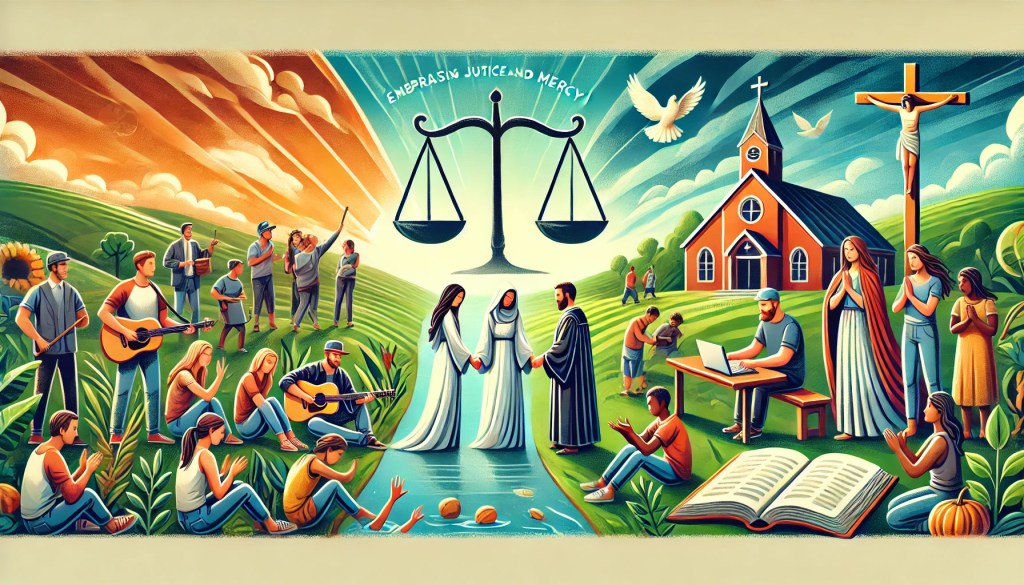
Embracing Justice and Mercy
In the First Reading, we’re diving into a challenging and thought-provoking passage from the Book of Amos. Written by a shepherd-turned-prophet from Judah, Amos speaks to the northern kingdom of Israel during a time of prosperity in the 8th century BC. Despite their wealth, Israel is plagued by social injustice and religious hypocrisy, and Amos is called to deliver a powerful message of repentance and judgment.
Amos 2:6-10, 13-16
Judgment on Israel
6 Thus says the Lord:
For three transgressions of Israel,
and for four, I will not revoke the punishment;
because they sell the righteous for silver,
and the needy for a pair of sandals—
7 they who trample the head of the poor into the dust of the earth,
and push the afflicted out of the way;
father and son go in to the same girl,
so that my holy name is profaned;
8 they lay themselves down beside every altar
on garments taken in pledge;
and in the house of their God they drink
wine bought with fines they imposed.9 Yet I destroyed the Amorite before them,
whose height was like the height of cedars,
and who was as strong as oaks;
I destroyed his fruit above,
and his roots beneath.
10 Also I brought you up out of the land of Egypt,
and led you forty years in the wilderness,
to possess the land of the Amorite.13 So, I will press you down in your place,
just as a cart presses down
when it is full of sheaves.
14 Flight shall perish from the swift,
and the strong shall not retain their strength,
nor shall the mighty save their lives;
15 those who handle the bow shall not stand,
and those who are swift of foot shall not save themselves,
nor shall those who ride horses save their lives;
16 and those who are stout of heart among the mighty
shall flee away naked in that day,
says the Lord.
Exegesis of Amos 2:6-10, 13-16
The Transgressions of Israel (Verse 6)
“Thus says the Lord: For three transgressions of Israel, and for four, I will not revoke the punishment; because they sell the righteous for silver, and the needy for a pair of sandals—”
God’s judgment against Israel begins with a declaration of their numerous sins. The phrase “for three transgressions, and for four” signifies an abundance of wrongdoing. The selling of the righteous and needy reflects a society where human life is undervalued, and social injustice is rampant. This echoes the Church’s teaching on the love for the poor (CCC 2446), reminding us that neglecting the needy is an affront to God.
Oppression and Immorality (Verse 7)
“they who trample the head of the poor into the dust of the earth, and push the afflicted out of the way; father and son go in to the same girl, so that my holy name is profaned;”
The verse condemns the exploitation and abuse of the vulnerable. The immoral acts described signify deep moral corruption, profaning God’s holy name. St. Jerome emphasized that neglecting the poor dishonors God, highlighting the need for justice and compassion.
Misuse of Religious Practices (Verse 8)
“they lay themselves down beside every altar on garments taken in pledge; and in the house of their God they drink wine bought with fines they imposed.”
Amos criticizes the misuse of religious rituals for personal gain. The violation of covenantal laws, such as keeping garments taken in pledge, underscores the hypocrisy in their worship practices (CCC 2113). True worship requires justice and mercy.
God’s Past Mercies (Verses 9-10)
“Yet I destroyed the Amorite before them, whose height was like the height of cedars, and who was as strong as oaks; I destroyed his fruit above, and his roots beneath. Also I brought you up out of the land of Egypt, and led you forty years in the wilderness, to possess the land of the Amorite.”
God reminds Israel of His past deeds, contrasting their current ingratitude with His faithfulness. This serves as a rebuke to their present injustices. Remembering God’s past mercies should inspire us to live in accordance with His will and justice.
The Coming Judgment (Verse 13)
“So, I will press you down in your place, just as a cart presses down when it is full of sheaves.”
The imagery of a cart full of sheaves symbolizes the weight of Israel’s accumulated sins. God’s judgment is described as an inevitable consequence of their transgressions (CCC 1865), reinforcing the cycle of injustice.
The Inevitability of Judgment (Verses 14-16)
“Flight shall perish from the swift, and the strong shall not retain their strength, nor shall the mighty save their lives; those who handle the bow shall not stand, and those who are swift of foot shall not save themselves, nor shall those who ride horses save their lives; and those who are stout of heart among the mighty shall flee away naked in that day, says the Lord.”
These verses depict the futility of human strength against divine judgment. St. Augustine noted that no human power can stand against God’s justice, reminding us of the inescapability of divine consequences.
Conclusion
Amos 2:6-10, 13-16 is a powerful indictment of Israel’s social injustices and moral corruption. Amos warns that God’s judgment is inevitable due to their persistent sins. The passage emphasizes the importance of justice, mercy, and true worship, reminding us of God’s past mercies and the consequences of turning away from His commandments.
Reflection
This reading challenges us to examine our own lives for areas where we may neglect justice or fail to show mercy. How do we respond to the needs of the poor and vulnerable in our communities? Are we mindful of how our actions reflect on the name of God? Let’s strive to embrace justice and mercy in our daily lives, reflecting God’s love and righteousness in all we do.
Responsorial Psalm – Psalm 50:16-23
Authentic Worship
Today, we explore Psalm 50, a powerful call to authentic worship attributed to Asaph. This psalm addresses the hypocrisy of those who outwardly recite God’s laws but fail to live by them. It serves as a prophetic rebuke, reminding us of the importance of genuine righteousness and true worship.
Psalm 50:16-23
16 But to the wicked God says:
“What right have you to recite my statutes,
or take my covenant on your lips?
17 For you hate discipline,
and you cast my words behind you.
18 You make friends with a thief when you see one,
and you keep company with adulterers.19 “You give your mouth free rein for evil,
and your tongue frames deceit.
20 You sit and speak against your kin;
you slander your own mother’s child.
21 These things you have done and I have been silent;
you thought that I was one just like yourself.
But now I rebuke you, and lay the charge before you.22 “Mark this, then, you who forget God,
or I will tear you apart, and there will be no one to deliver.
23 Those who bring thanksgiving as their sacrifice honor me;
to those who go the right way
I will show the salvation of God.”
Exegesis of Psalm 50:16-23
Verses 16-17: Hypocrisy in Worship
“But to the wicked God says: ‘What right have you to recite my statutes, or take my covenant on your lips? For you hate discipline, and you cast my words behind you.’”
God confronts those who speak His laws yet reject His discipline. This hypocrisy undermines their claim to His covenant, as they fail to internalize His teachings. The Catechism emphasizes that true obedience requires inner transformation (CCC 2079).
Verses 18-20: Companionship with Sin
“You make friends with a thief when you see one, and you keep company with adulterers. You give your mouth free rein for evil, and your tongue frames deceit. You sit and speak against your kin; you slander your own mother’s child.”
These verses highlight specific sins, emphasizing betrayal within the community and family. The wicked are complicit in sin, undermining relationships. St. Augustine reminds us that true worship requires integrity: “One cannot praise God with words and betray Him with deeds.”
Verse 21: God’s Rebuke
“These things you have done and I have been silent; you thought that I was one just like yourself. But now I rebuke you, and lay the charge before you.”
God’s previous silence is mistaken for indifference. The wicked assume He is like them, prompting His stern rebuke. The Catechism teaches that Christ is the ultimate judge of our hearts and actions (CCC 679).
Verse 22: A Warning to the Forgetful
“Mark this, then, you who forget God, or I will tear you apart, and there will be no one to deliver.”
This verse issues a severe warning to those who forget God, emphasizing the consequences of ignoring His commandments. St. Jerome warns against spiritual complacency and forgetting God’s statutes.
Verse 23: True Worship and Salvation
“Those who bring thanksgiving as their sacrifice honor me; to those who go the right way I will show the salvation of God.”
True worship is characterized by thanksgiving and righteousness. God promises salvation to those who live rightly, highlighting the importance of an obedient heart over mere rituals. The Catechism states that offering sacrifice is a sign of adoration and gratitude (CCC 2099).
Conclusion
Psalm 50:16-23 is a powerful reminder of the importance of authentic worship and integrity. God condemns the hypocrisy of those who claim His covenant yet live contrary to His commands. The psalm calls us to true repentance, thanksgiving, and a life aligned with God’s righteousness.
Reflection
This passage challenges us to examine our own lives for any hypocrisy in our worship. Are we merely reciting God’s words without embodying them? How can we cultivate genuine thanksgiving and integrity in our relationship with God? Let’s strive to honor God through authentic worship and a sincere heart, seeking His righteousness in all we do.
Holy Gospel – Matthew 8:18-22
Embracing Radical Discipleship
In the Gospel of Matthew, we see Jesus addressing the cost of discipleship, calling His followers to a radical commitment. In chapter 8, after performing various miracles, Jesus challenges those around Him to consider the true demands of following Him. This passage emphasizes the depth of commitment required and the sacrifices involved.
Matthew 8:18-22
Would-Be Followers of Jesus
18 Now when Jesus saw great crowds around him, he gave orders to go over to the other side. 19 A scribe then approached and said, “Teacher, I will follow you wherever you go.” 20 And Jesus said to him, “Foxes have holes, and birds of the air have nests; but the Son of Man has nowhere to lay his head.” 21 Another of his disciples said to him, “Lord, first let me go and bury my father.” 22 But Jesus said to him, “Follow me, and let the dead bury their own dead.”
Exegesis of Matthew 8:18-22
Verse 18: Crossing to the Other Side
“Now when Jesus saw great crowds around him, he gave orders to go over to the other side.”
Here, Jesus chooses to move away from the crowds, focusing on teaching His disciples. This setting underscores the difference between mere admirers and true followers, highlighting the personal and demanding nature of discipleship.
Verse 19: The Scribe’s Declaration
“A scribe then approached and said, ‘Teacher, I will follow you wherever you go.’”
The scribe’s statement appears sincere, recognizing Jesus’ authority. However, as St. Jerome notes, it may be impulsive, lacking a full understanding of the true cost of discipleship.
Verse 20: Jesus’ Response to the Scribe
“And Jesus said to him, ‘Foxes have holes, and birds of the air have nests; but the Son of Man has nowhere to lay his head.’”
Jesus emphasizes His poverty and lack of worldly security, challenging the scribe to consider the sacrifices involved in following Him. The title “Son of Man” reflects His role as the suffering servant. As the Catechism (CCC 544) states, “The kingdom belongs to the poor and lowly,” highlighting the humility required in discipleship.
Verse 21: The Disciple’s Request
“Another of his disciples said to him, ‘Lord, first let me go and bury my father.’”
The disciple’s request, while culturally significant, reflects a conflict between family obligations and following Jesus. In Jewish culture, burial duties were seen as essential, honoring one’s parents as commanded in Exodus 20:12.
Verse 22: Jesus’ Radical Call
“But Jesus said to him, ‘Follow me, and let the dead bury their own dead.’”
Jesus’ response is stark, underscoring the urgency of the Kingdom and prioritizing discipleship over societal expectations. As St. John Chrysostom notes, this call emphasizes spiritual priorities above all else. The Catechism (CCC 2232) reminds us that while family ties are important, our ultimate commitment must be to Christ.
Conclusion
Matthew 8:18-22 challenges us to reflect on the true cost of discipleship. It requires radical commitment, the sacrifice of comfort, and prioritizing the Kingdom of God over all else. Following Jesus is not merely about admiration but demands a profound, sacrificial response.
Reflection
This passage invites us to examine our readiness to follow Jesus. Are we prepared to sacrifice comfort and societal expectations? Let’s strive to embrace the call to radical discipleship, seeking to deepen our commitment to Him each day.
Living Boldly in Faith: Embracing True Conversion
Today’s readings from Amos, Psalm 50, and Matthew challenge us to examine our hearts and actions. Amos calls us to justice and mercy, reminding us that true faith requires caring for the vulnerable. Psalm 50 confronts us with the need for authentic worship, where our lives align with God’s commandments. Finally, Matthew’s Gospel emphasizes the radical commitment and sacrifices needed to follow Jesus.
As we reflect on these messages, let’s strive for a deeper conversion of heart. This means prioritizing our relationship with God, embracing justice, and living out our faith with integrity. Let’s be the generation that not only speaks about faith but also lives it boldly. Together, let’s pursue a life that reflects God’s love, justice, and mercy in all we do. Let’s challenge ourselves to be true disciples, embodying the Gospel in our daily lives and inspiring others to do the same.
Feel free to share your thoughts and reflections in the comments below.
- How do you see God’s call for justice and mercy playing out in your life?
- How do you see the call for genuine worship playing out in your life?
- How can we make our relationship with Christ the top priority in our lives?
Let’s support and inspire each other on this journey of faith!

 Holy Manna!
Leave a comment